Should You Shave a Double-Coated Dog in the Summer?
An Evidence-Based Guide for Heat-Weary Pet Parents
The moment the thermometer climbs into summer territory, well-meaning dog owners begin asking groomers the same question: “Should I shave him down to keep him cool?” If the dog happens to be a Golden Retriever, Husky, German Shepherd, Pomeranian, or any breed with a plush under-and-outer coat, that question becomes critical—because shaving a double coat isn’t just a cosmetic choice; it’s a decision that can influence temperature regulation, skin health, and even long-term coat quality.
This comprehensive guide—grounded in veterinary dermatology research and decades of professional grooming experience—unpacks the science behind double coats, clarifies common myths about shaving, and offers safe alternatives for helping your dog beat the heat. By the end, you’ll know precisely when shaving is appropriate, when it’s harmful, and how to keep your dog comfortable all summer long without compromising fur health.
-
Understanding the Double Coat
1.1 Two Layers, Two Jobs
A proper double coat consists of:
- Undercoat: Soft, fluffy, and dense—designed to trap air close to the skin. In cold weather, this insulated air layer keeps body heat from escaping.
- Guard hairs (outer coat): Longer, coarser hairs that repel water, block UV rays, and provide mechanical protection from brush and burrs.
Together, these layers act like a year-round thermostat. In winter, trapped air warms. In summer, the same structure can be cooled by allowing air circulation and shading the skin from direct sun.
1.2 Seasonal “Blowouts”
Most double-coated breeds naturally “blow coat” twice a year—often in spring and fall. Hormones and daylight, more than temperature, trigger a synchronized release of dead undercoat. During this period, tufts of hair practically leap off the dog, which is why vacuum cleaners groan and tumbleweeds of fur roll through homes.
1.3 Melanin and UV Protection
Guard hairs are rich in melanin, the pigment that helps block ultraviolet radiation. Removing them exposes the tender undercoat and skin, increasing the risk of sunburn, hyperpigmentation, and even certain types of skin cancer.
-
The Case Against Summer Shaves
2.1 Shaving Doesn’t Necessarily Cool a Dog
Dogs cool primarily through panting and limited sweating via their paw pads, rather than through skin evaporation, unlike humans. Removing insulation can actually trap heat if the undercoat grows back thicker and the guard hair grows back sporadically, creating a dense layer of felt against the skin.
2.2 Guard-Hair Damage
When guard hairs are cut below half their natural length, they may grow back wiry or patchy. Follicles can switch from producing a long guard hair to producing an undercoat-type fiber, leading to a dull, fuzzy appearance that mats easily.
2.3 Risk of Follicular Arrest
Certain breeds, such as Spitz types, can experience “post-clipping alopecia.” After a close shave, follicles may stall, leaving translucent areas that take months—or years—to regrow.
2.4 Skin Trauma and Sunburn
A shaved coat offers no buffer against insect bites, minor cuts, or UV rays. It’s not uncommon for newly shaved dogs to develop pyoderma (bacterial skin infection) because microscopic nicks allow bacteria into damp follicular openings.
-
When Shaving Might Be Appropriate
There are limited scenarios in which a close clip is medically or practically justified:
- Severe Matting: If the undercoat has felted into a dense “armor” and dematting would cause pain, a veterinary-grade shave under sedation may be the only humane option.
- Chronic Hot Spots: Dogs prone to moist dermatitis may benefit from a partial clip around repeat hotspots to facilitate topical treatment and airflow.
- Surgery Preparation: Veterinarians shave the localized regions to create sterile incision sites.
- Senior Dogs with Mobility Issues: A moderate comb-clip (never to the skin) can reduce grooming time and stress for elderly dogs who cannot stand for extended undercoat removal.
Even then, the goal is a guarded trim, leaving at least half the original coat length (usually ½”–1”) to preserve follicle guidance and protect the skin.
-
Better Summer Strategies for Double-Coated Breeds
4.1 Cool-Water Baths
A lukewarm (not cold) bath with a coat-specific shampoo helps remove debris and open the follicles. Follow with a conditioner containing omega fatty acids to restore skin barrier lipids.
4.2 Strategic Trims
Professional groomers can perform a paw-pad, sanitary, and feather trim:
- Remove excess “snowshoe” fur between pads to improve traction and cooling.
- Thin feathers on legs and tail for hygiene without compromising coat function.
- Sculpt a “skirt” off the belly to allow ground air to circulate.
4.3 Shade, Hydration, and Timing
No grooming regimen substitutes for environmental control:
- Exercise at dawn or dusk.
- Provide shady rest spots and plenty of fresh water.
- Use cooling mats and fans for indoor relief.
Myth Busting: Common Owner Concerns
Breed-Specific Nuances
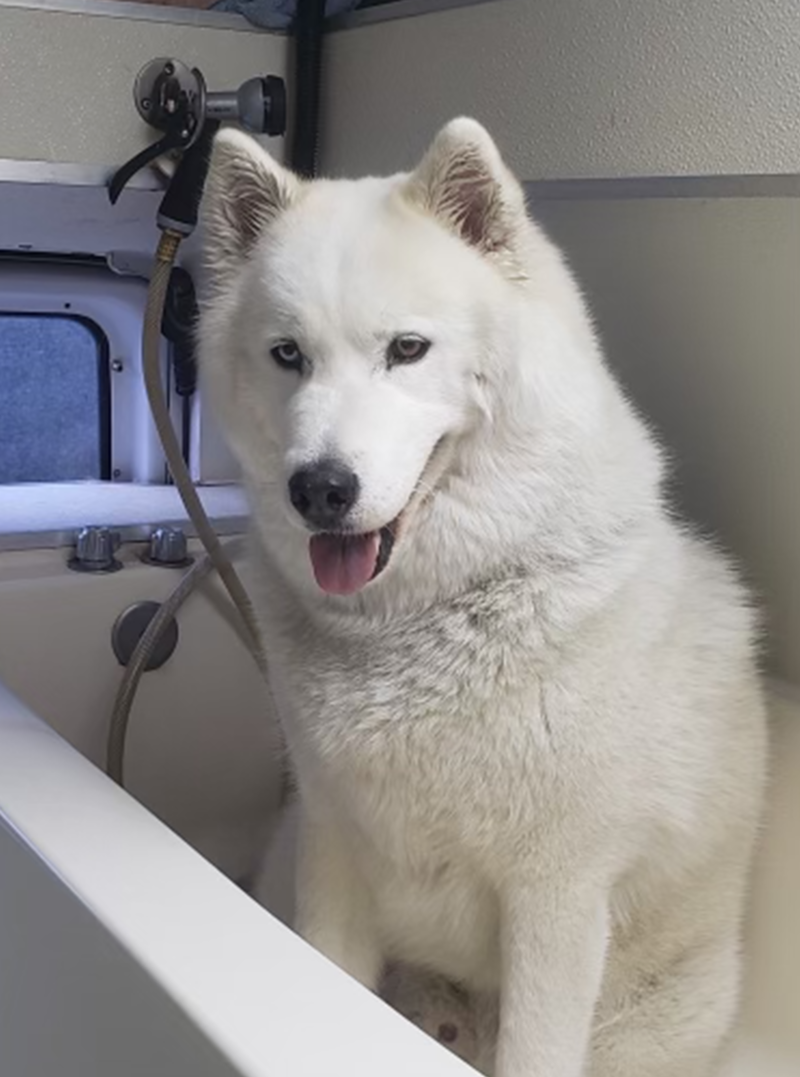
- Husky/Malamute: Arctic breeds rely heavily on guard hair for sun deflection; shaving often triggers post-clipping alopecia.
- Golden Retriever: The feathers may be tidied, but the body coat should remain intact. A pin brush plus an undercoat rake is your best friend.
- German Shepherd: These dogs shed undercoat rather than mat, so frequent brushing, combined with a high-velocity dryer, is key.
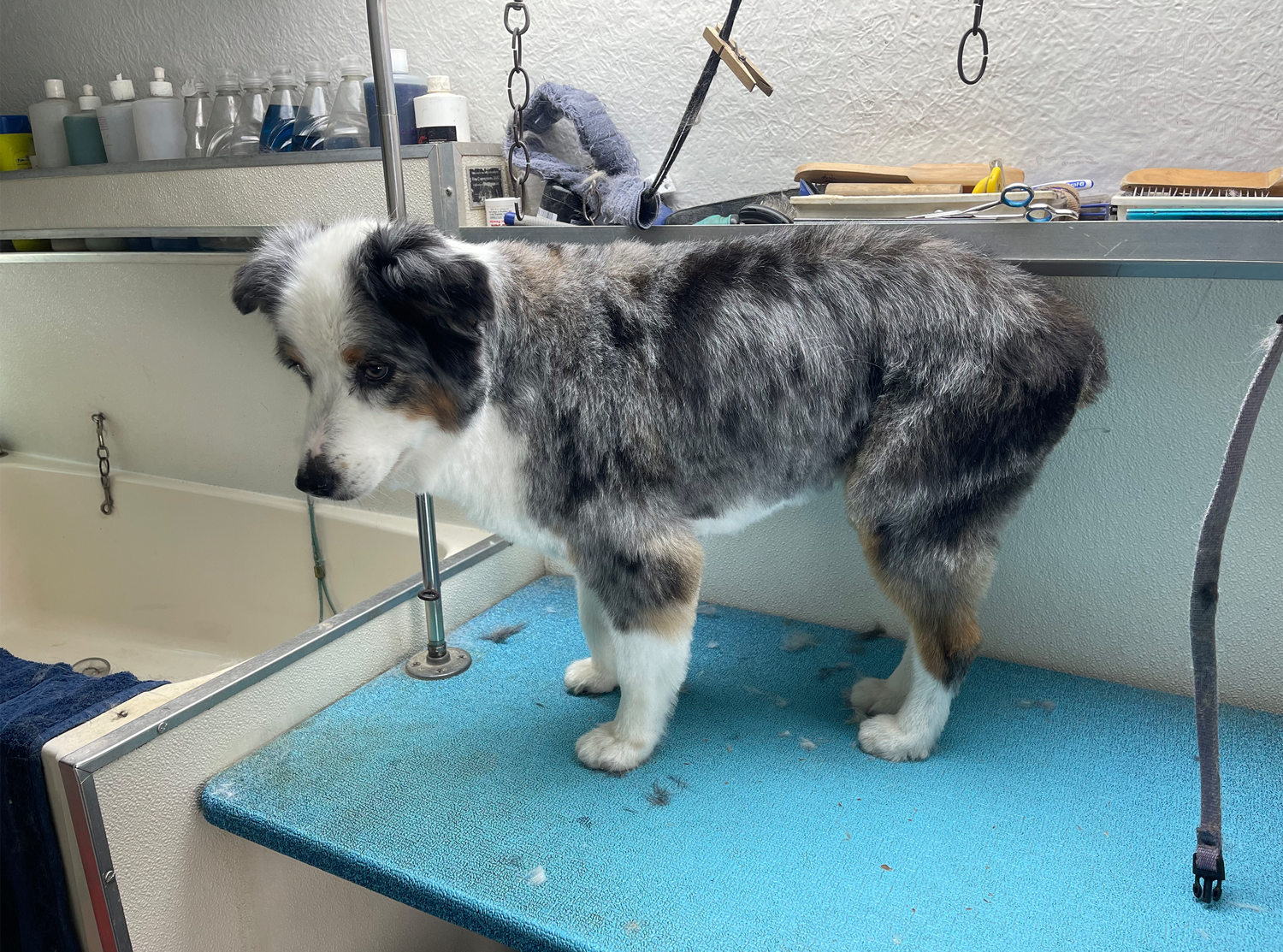
- Australian Shepherd: Although lighter, their coat still serves an insulating function; opt for a thinning rather than shaving.
The Role of Nutrition and Health in Summer Coat Care
A lustrous coat starts in the bowl. Ensure the diet provides:
- Balanced Omegas (3 & 6) to support the skin barrier.
- Quality Protein to fuel hair-shaft keratin.
- Trace Minerals like zinc and copper for pigment preservation.
Consider a vet-approved omega-3 supplement during high-shedding seasons. Adequate hydration is equally crucial; even mild dehydration ends up visible in coat brittleness.
Senior & Medically Fragile Dogs
Older dogs or those with endocrine disease (hypothyroidism, Cushing’s) may retain more undercoat or develop seborrhea. A modified teddy-bear trim done with snap-on combs (leaving ½–¾ inch) balances hygiene with coat integrity. Always consult your veterinarian before making any significant changes to your coat.
Groomer–Veterinarian Collaboration: The Gold Standard
Professional groomers observe a dog’s skin more often than veterinarians do. A strong referral relationship means:
- Skin lesions spotted early lead to quick treatment.
- Customized grooming plans adapt as health status changes.
- Safety protocols (e.g., avoiding sedation shaves unless vet-ordered) protect the dog’s welfare.
At Groomobile, certified groomers maintain detailed notes on each client’s coat and skin, creating a longitudinal health record valuable to both the owner and the veterinarian.
Frequently Asked Questions
Q: How short is “too short” for a double-coat summer trim?
A: Anything under ½ inch risks guard-hair damage. Aim for a 1-inch finish if trimming for medical reasons.
Q: Will shaving reduce shedding?
A: Temporarily, yes, because hair is shorter. However, new growth will shed at the same—or greater—rate once follicles restart, so total fur volume over time remains unchanged.
Q: What about Lion Cuts?
A: Shaving body fur while leaving a “mane” still removes UV protection on the trunk. It can be suitable for extreme mats, but it is cosmetic, not cooling.
Q: Can I use pet-safe sunscreen instead of keeping the coat?
A: Sunscreens may help exposed areas like the nose and ears, but they don’t replicate the mechanical protection guard hairs provide against insects, scrapes, or temperature swings.
Key Takeaways
- Double coats are Mother Nature’s own climate-control system—removing them can make heat management worse, not better.
- Shaving risks permanent coat damage, sunburn, and follicular arrest.
- Only shave for medical necessity, and even then, leave at least half an inch of fur.
- Deshedding, strategic trimming, and environmental management are superior summer strategies.
- Partner with professional groomers and your veterinarian for individualized coat-care plans.
Conclusion & Call to Action
Keeping your double-coated companion cool in summer doesn’t require a drastic buzz cut—it requires thoughtful grooming, optimal nutrition, and mindful environmental adjustments. Before you reach for the clippers, consult professionals who understand the unique biology of double-coated breeds.
The certified pet-care team at Groomobile has been safeguarding Tampa Bay’s furry residents since 1958. Whether you choose our fully equipped mobile vans or our relaxing cage-free salon, we’ll craft a summer coat-care plan that keeps your dog comfortable, healthy, and downright beautiful—no shave required.
Ready for expert help? Contact Groomobile today to schedule a personalized deshedding or summer trim and give your dog the coolest season ever, without sacrificing that gorgeous double coat!