Long-Haired Cats: Taming the Tangles and Hairballs
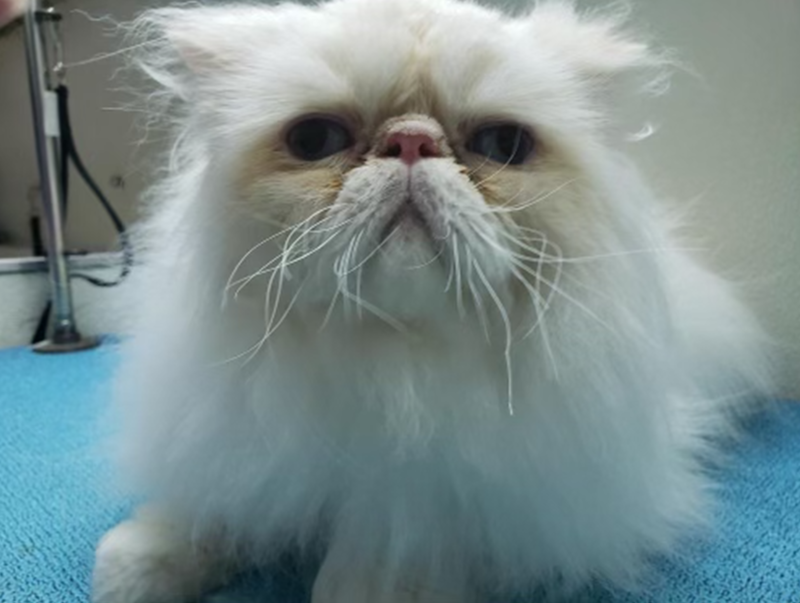
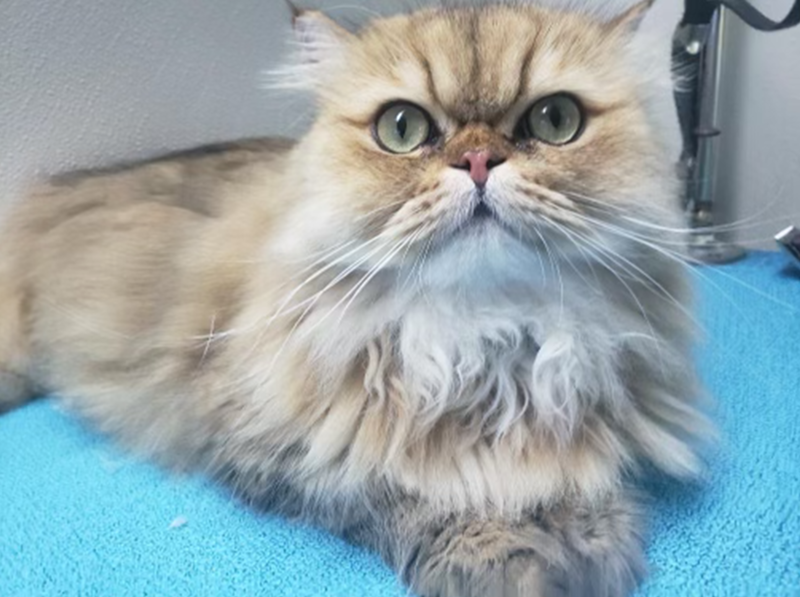
When a Maine Coon, Persian, or Ragdoll sashays across the living room, their luxurious coat steals the show—until you discover a grapefruit-sized mat behind the ear or step barefoot on a freshly coughed hairball. Long-haired felines are gorgeous companions, but they come with a unique set of grooming challenges that can escalate from inconvenient to medically severe if ignored.
In this guide, we’ll explore why long coats tend to tangle, how hairballs form, and which science-backed strategies can help keep both problems under control. From daily at-home tools to professional grooming schedules and nutrition tweaks endorsed by veterinarians, you’ll learn how to maintain your cat’s royal look without turning your home into a fur factory.
The Science Behind Tangles and Hairballs
Coat Structure
A cat’s fur comprises three layers:
- Guard hairs – long, stiff strands that repel water and shield against physical abrasion.
- Awn hairs – the mid-length fibers that give a coat its color and protect the undercoat.
- Down hairs (undercoat) – soft, insulating fluff.
Long-haired breeds have elongated guard and awn hairs, but their undercoat remains dense. As these layers shed at different rates, loose undercoat can weave around guard hairs, forming knots that tighten with movement.
Hairball Mechanics
Cats groom with barbed tongues that act like Velcro, pulling loose hairs into the mouth. Most fur passes harmlessly through the digestive tract, but clumps can accumulate in the stomach, merge with food and saliva, and eventually eject as a cylindrical trichobezoar (hairball). Long coats increase the raw material; add low fiber or dehydration, and transit slows, giving hairs more time to entwine.
Red Flags: When Grooming Becomes a Medical Issue
- Mats larger than a quarter: These mats can trap moisture and bacteria, leading to hot spots or skin infections.
- Chronic coughing or retching: Frequent, unproductive gagging may signal airway irritation or an obstructive hairball.
- Constipation or anorexia: A hairball lodged in the intestines can block passage of stool and suppress appetite—always a vet emergency.
- Excessive dandruff or oily coat: Sebum builds up when tangles block airflow, preventing the cat from grooming efficiently.
If you notice any of these signs, consult a veterinarian before embarking on an aggressive grooming session. Yanking or cutting out mats without guidance can tear skin or create bald patches that invite infection.
Building a Daily Grooming Routine
Session Blueprint
- Timing: Choose calm periods, such as after meals or playtime, when endorphins are elevated.
- Checkpoints: Start with fingers to feel for hidden knots; even small “seed mats” multiply.
- Layered Approach: Comb the outer guard hair first, then follow with the slicker to capture the undercoat.
- Positive Reinforcement: High-value treats are given after each session, keeping the cat eager for the next session.
Aim for 5–10 minutes daily, rather than marathon sessions that can fatigue both the cat and its guardian. Consistency beats intensity.
Bathing: Necessary or Myth?
Cats are self-cleaning marvels, but strategic baths do help long-haired breeds:
- Frequency: Every 6–8 weeks, or as needed if the coat feels greasy.
- Products: Use only feline-specific, pH-balanced shampoos; human formulas can strip natural oils.
- Technique: Apply a rubber mat in the sink to prevent slipping. Work the shampoo with coat growth to avoid tangling, and rinse until the water runs clear.
A post-bath high-velocity dryer (set to low heat) blows out undercoat and pre-empts mat formation. If your cat despises water, professional groomers—like Groomobile’s certified team—can handle the spa day safely inside a quiet, climate-controlled van.
Nutrition and Hydration: Inside-Out Coat Care
Balanced Omegas
A well-balanced diet rich in omega-3 and omega-6 fatty acids helps maintain the skin’s integrity. EPA and DHA from fish oil lower inflammation that can exacerbate hairball-triggering itchiness.
Fiber Fortification
Research shows that adding 1–3% moderate-fermentability fiber (such as psyllium or sugar-beet pulp) speeds up gastrointestinal transit, reducing hairball formation. Some veterinary diets formulate precise fiber blends labeled “hairball control.”
Hydration Hacks
Cats have a low thirst drive. Increase moisture by:
- Wet food: At least half of the daily caloric intake from canned food increases water consumption.
- Cat fountains: Moving water taps instinctive drinking cues.
- Broth cubes: Freeze unsalted chicken broth and drop cubes into water bowls for a flavor lure.
Adequate hydration lubricates the intestines, helping ingested hair glide through smoothly instead of clumping. Supplements and Over-the-Counter Aids
Professional Grooming: When and Why
Services That Matter
- Lion Trim vs. Comb Cut: A professional lion trim leaves a mane, but always keeps at least ½ inch of fur to protect the skin. A comb cut thins without shaving against the skin.
- Sanitary Shave: Short clip around the genital and anal area to prevent fecal matting.
- Nail trim and paw pad cleanup: Prevents snagging and improves traction on tile floors.
- Ear, eye, and dental checks: Groomers can identify early infections or dental tartar that require veterinary follow-up.
Mobile grooming services (such as Groomobile’s) minimize travel stress, offer cage-free sessions, and reduce exposure to other animals, which is critical for cats prone to respiratory viruses.
Home Environment Tweaks
- Anti-static humidifier: Winter heating dries air, increasing static and tangles. Aim for ~45% humidity.
- Low-pile rugs: Plush carpets catch dropped fur and tangle into toe tufts; low-pile or washable runners keep loose hair manageable.
- A dedicated grooming perch, such as a cat tree with a rubberized pad, can serve as both a cat tree and a brushing station.
- Regular vacuuming with a HEPA filter helps reduce airborne dander that can irritate the skin.
Handling Mats: Step-by-Step Intervention
Warning: Never yank or slice mats against the skin—cat skin is so delicate that even curved scissors can create life-threatening wounds.
- Stabilize: Hold the base of the mat near the skin to reduce tugging pain.
- Pre-treat: Apply a small amount of mat-breaker spray (silicone-based) to the knot.
- Pick, Don’t Pull: Use a blunt-tipped mat splitter or your fingers to tease apart edges.
- Comb Out: Once loosened, pass a wide-tooth comb from the tips to the roots.
- Reward: Offer treats and a break after each successful mat to maintain a positive session.
Severe pelting (felted coat across large areas) warrants professional attention. Clippers with #10 blades are used safely, away from the skin, to avoid lacerations.
Recognizing and Managing Hairball Emergencies
Warning Signs
- Repeated unproductive retching >24 hours
- Lethargy, drooling, or refusal to eat
- Distended abdomen
- Straining in the litter box without stool
Veterinary Diagnostics
Vets may employ radiographs or ultrasound to locate a suspected obstruction. Treatment ranges from motility-enhancing medications to endoscopic or surgical removal in severe cases.
Post-Treatment Care
A short course of probiotic, fiber-enriched diet and staged reintroduction of grooming helps prevent recurrence. Always schedule a follow-up to assess healing and gastrointestinal motility.
Frequently Asked Questions
Q: How long should a grooming session last?
A: For most long-haired cats, 5–10 minutes daily or 15–20 minutes every other day suffices. Stop sooner if the cat becomes agitated; forced sessions can condition negative associations.
Q: Are human hair conditioners safe to use?
A: No. Human products have a different pH and can strip natural oils, leading to irritation. Use feline-approved conditioners only.
Q: Can coconut oil help with hairballs?
A: Small, vet-approved doses may aid lubrication, but caloric density can cause weight gain. Monitor body weight and consult your vet before adding oils.
Q: My cat hates brushes—what now?
A: Transition gradually: start with a grooming glove during cuddle time, reward generously, and move up to tools with firmer bristles as tolerance improves.
Q: Does shaving guarantee no hairballs?
A: A shave may reduce swallowed hair temporarily, but it sacrifices protective coat functions and carries skin-injury risk. Address the underlying issues—such as diet, hydration, and routine brushing—instead.
Key Takeaways
- Daily, gentle grooming helps prevent mats and reduces the amount of shed fur that enters the digestive tract.
- Balanced nutrition rich in omegas and fiber supports skin health and gastrointestinal transit.
- Proper hydration is a hairball-fighting powerhouse—elevate moisture intake through wet food and fountains.
- Professional grooming every 6–10 weeks optimizes coat condition and identifies emerging skin issues early.
- Act promptly on matting or persistent hairball symptoms; neglected coats and GI blockages are genuine medical concerns.
Conclusion & Call to Action
Long-haired cats don’t have to be walking tumbleweeds or serial hairball launchers. With the right combination of daily maintenance, strategic nutrition, and professional support, your feline friend’s coat can remain knot-free and lustrous, while your carpets stay refreshingly hairball-free.
Ready for expert assistance? Groomobile’s certified feline groomers bring salon-grade care straight to your doorstep in a stress-free, cage-free mobile spa. From gentle dematting to luxurious blowouts and sanitary trims, we tailor every session to your cat’s temperament and coat needs.
Give your long-haired cat the royal treatment—contact Groomobile today to book a personalized grooming appointment and conquer tangles and hairballs for good!