Summer Fun and the Dreaded Hotspots
Sunshine, Sprinklers, and an Unwelcome Surprise
Nothing says “summer bliss” like watching your dog cannonball into a lake, dash through sprinkler arcs, or sprawl belly-up in the warm grass. Yet just 24 hours after that perfect Saturday, you might find an angry, oozing patch on your pup’s thigh—what veterinarians call acute moist dermatitis and pet parents label “hotspots.”
These red, hair-loss lesions can swell from dime-size to silver-dollar in a day, hurt like wildfire, and smell worse. They thrive in the very conditions that make summer so fun: heat, humidity, and damp fur. Left unchecked, hotspots invite bacterial infections that may require antibiotics, cone collars, and a temporary ban on your dog’s favorite splash zones.
What Exactly Is a Hotspot?
A hotspot is a self-inflicted skin lesion that begins with microscopic irritation. Dogs respond instinctively—licking, biting, or scratching—which damages the skin surface. Moisture and warmth create a petri-dish environment where Staphylococcus pseudintermedius and other skin bacteria replicate at a rapid rate. The result:
- Erythema (intense redness)
- Serous ooze that mats the surrounding hair
- Pain and itching are so severe that the dog can’t stop chewing
Unlike chronic dermatitis, hotspots emerge quickly and can resolve just as fast if treated early—making awareness your most powerful tool.
Summer Triggers That Light the Fuse
Water Play & Damp Undercoat
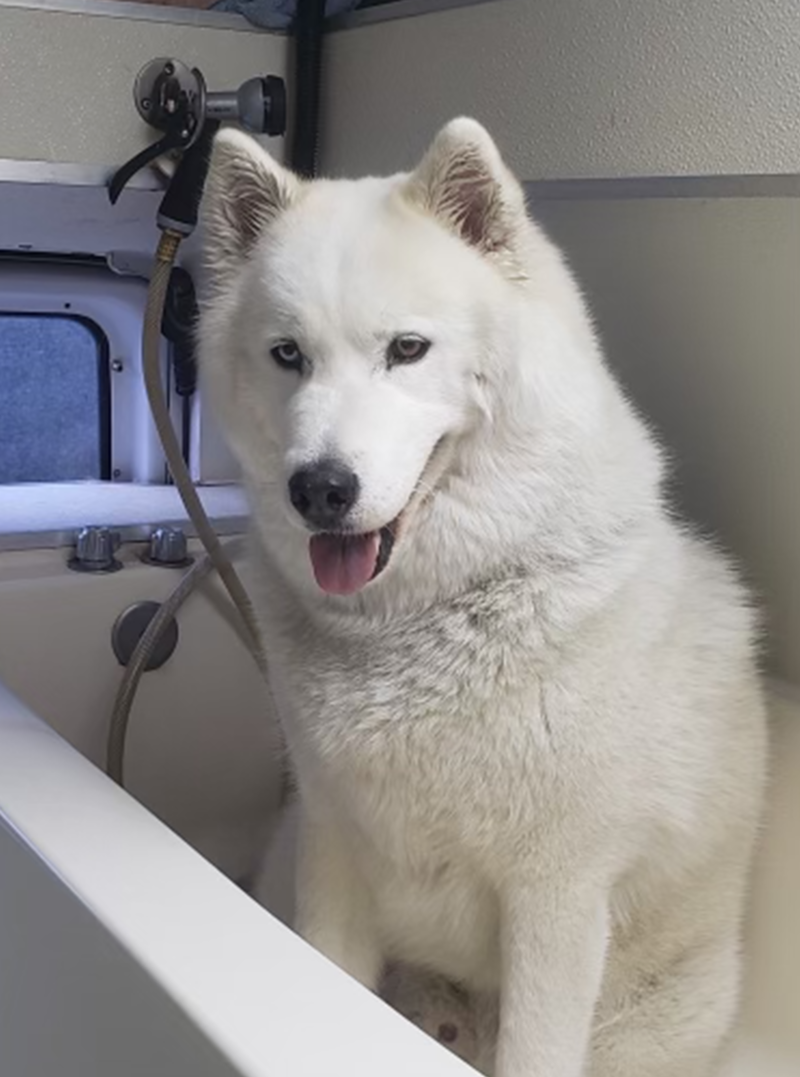
Thick or double-coated breeds soak up water like sponges. If the undercoat stays wet—think of a lake swim followed by air-drying in humid Florida—bacteria flourish unseen.
Allergens in Full Bloom
Grass pollen peaks in early summer. Dogs romping through meadows collect allergens on their fur, which irritate the skin and trigger scratching fits that start the hotspot spiral.
Heat + Humidity = Perfect Storm
Skin folds and neck areas under collars trap sweat. Combine warmth and limited airflow, and even a minor flea bite can balloon into a hotspot overnight.
Parasites Party
Fleas thrive above 70 °F. One bite releases histamine, causing an itch so intense your dog may chew through the skin before you spot the insect.
Minor Injuries & Contact Irritants
Burrs, minor cuts from dock planks, or residual chlorine from pool water can act as ignition sites when the dog licks the area relentlessly.
Four-Step Hotspot Prevention Plan
Harness the Power of the Towel + Dryer Duo
After swimming, towel vigorously, then use a pet-safe forced-air dryer (set to low heat) to gently remove moisture from the undercoat. This simple step slashes hotspot incidence in water-loving breeds by up to 60 %, according to small clinical surveys.
Seasonal Deshedding
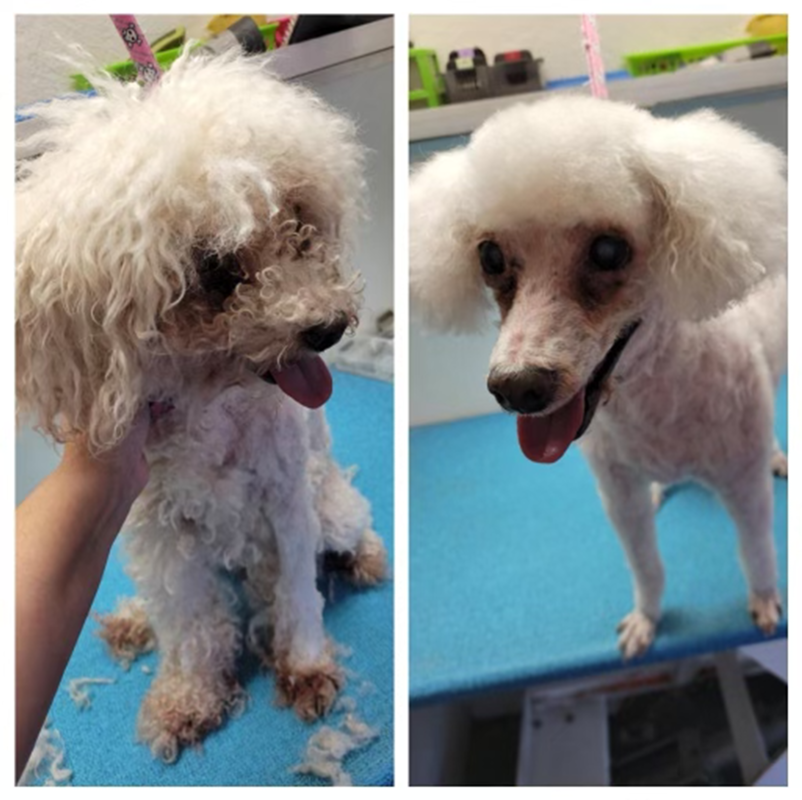
Removing dead undercoats improves airflow to the skin. A professional groomer can blow out loose fur with high-velocity dryers and undercoat rakes—services Groomobile performs curbside, saving you cleanup inside.
Flea & Tick Vigilance
Year-round parasite prevention is non-negotiable in warm climates. Choose vet-recommended oral or topical products and set phone reminders for monthly doses.
Allergy Management
If your dog is a known seasonal allergy sufferer, pre-empt inflammation with veterinarian-approved antihistamines or immunotherapy. Wiping paws and bellies with hypoallergenic wipes after a walk removes pollen before it can irritate.
First Aid: What To Do at the First Sign
- Clip the Fur: Use electric clippers (not scissors) to create a one-inch margin around the lesion. Visibility is key.
- Clean Gently: Flush with cool saline or chlorhexidine solution. Avoid using hydrogen peroxide, as it can delay the healing process.
- Dry the Area: Pat—not rub—then use low-heat air to prevent it from becoming scorched.
- Topical Relief: Apply a vet-approved hydrocortisone spray to quell itch.
- Prevent Self-Trauma: Fit an e-collar or inflatable donut collar, so your dog can’t lick.
If the hotspot covers more than two inches, appears infected (with pus or an odor), or your dog has a fever, head to the veterinarian within 24 hours.
Nutrition & Hydration: The Inside-Out Defense
A balanced diet rich in omega-3 fatty acids and highly bioavailable protein supports the repair of the skin barrier. During hot months, many dogs drink less due to panting-related water loss; consider:
- Broth ice cubes in water bowls
- High-moisture canned food toppers
- Electrolyte-safe dog hydration powders on high-activity days
Well-hydrated skin is more resilient against micro-tears that start the hotspot cascade.
Fun-Yet-Safe Summer Activities
- Sprinkler Zoomies
Pick a shaded lawn area. Keep sessions to 15 minutes, then towel dry. - Morning Paddleboard Trips
Avoid midday UV and rinse brackish water immediately after. - Forest Hikes
Use a flea and tick preventive and a quick-dry mesh harness instead of traditional padded ones. - Frozen Snack Hunt
Hide broth popsicles in the yard to stimulate the mind and movement without getting the coat wet.
By pairing each activity with immediate post-play grooming, you balance enrichment and hotspot prevention.
Senior Dogs & Special Considerations
Elderly dogs groom less efficiently and often have weaker immune responses, making them more susceptible to hotspots. Adapt the prevention plan:
- Increase brushing frequency
- Use orthopedic cooling mats indoors to keep skin dry
- Book professional grooming every 4 weeks for thorough coat management
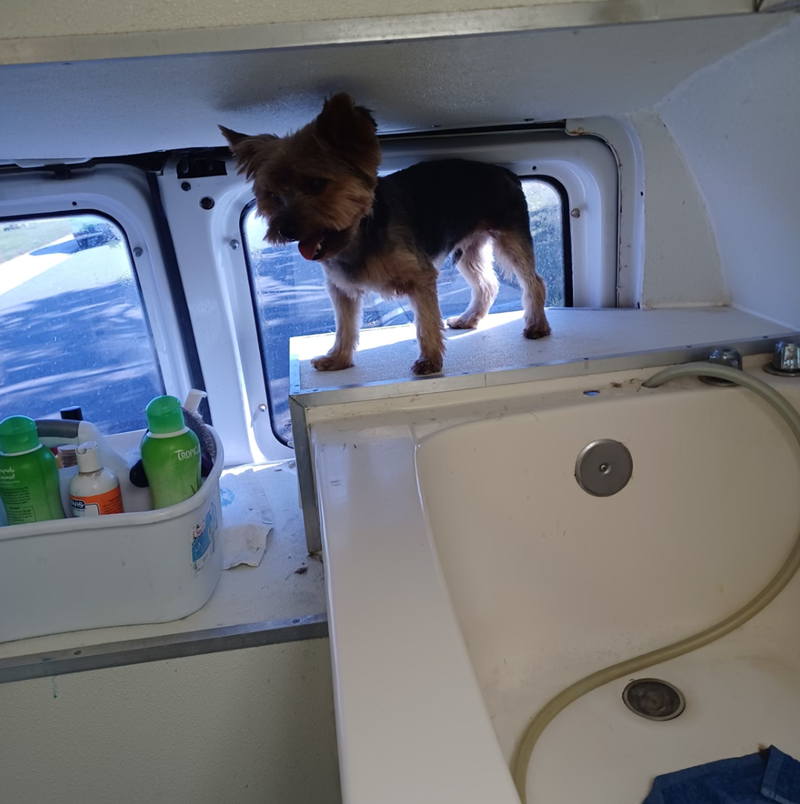
If arthritis limits mobility, mobile grooming is invaluable. Groomobile’s vans feature hydraulic tables to safely lift large seniors.
Frequently Asked Questions
Q: Do hotspots spread between dogs?
A: Not directly. They’re bacterial infections of broken skin. However, if multiple pets share parasite infestations or allergies, you may see hotspots appear in more than one dog due to shared triggers.
Q: Can I use human anti-itch cream?
A: Human hydrocortisone creams often contain additives that are unsafe for dogs if ingested. Stick to veterinary-labeled products.
Q: Will shaving my dog prevent hotspots?
A: A close shave can expose skin to sunburn and doesn’t address underlying moisture. Instead, aim for a light “comb-trim” that maintains protective length while improving airflow.
Q: Are hotspots a sign of poor hygiene?
A: Not necessarily. Even well-groomed dogs can develop hotspots from a single flea bite or an allergic reaction flare. Good hygiene reduces the odds and speeds recovery.
Key Takeaways
- Hotspots thrive in heat, humidity, and damp fur—common summer conditions in Tampa Bay.
- Prompt drying, regular de-shedding, and parasite control are your frontline defenses.
- At the first sign of redness, clip, clean, dry, and collar to stop self-trauma. Seek veterinary care if lesions expand or ooze.
- Nutrition, hydration, and wise gear choices all contribute to bolstering skin resilience.
- Professional groomers, especially those offering mobile services, provide deep cleaning and coat management that home tools can’t match.
Conclusion & Call to Action
Summer should be about dock dives and sunset fetch, not emergency vet runs for weeping hotspots. By pairing smart grooming habits with quick first aid, you can let your dog live its best warm-weather life—itch-free and full of wag.
Need help taming that thick undercoat or getting a reluctant swimmer truly dry? Groomobile’s certified team brings a climate-controlled grooming spa right to your driveway, complete with high-velocity dryers, parasite-safe shampoos, and skin-soothing treatments—all without the stress of salon cages.
Give your dog a hotspot-free summer. Contact Groomobile today to schedule a preventive de-shedding, bath, and blowout—so the only thing that’s hot this season is the sunshine.