Deshedding vs Haircuts for Dogs: What’s the Best Option?
A certified-groomer and veterinarian-reviewed guide that untangles coat science, climate realities, and practical care decisions for every breed.
One Coat, Two Very Different Solutions
Ask a dozen dog owners how they manage flying fur, and you’ll hear passionate defenses of everything from weekly brush-outs to full summer shaves. Some swear by high-velocity dryers, others by clippers. But choosing between deshedding and haircuts isn’t about trends or convenience—it’s about biology, climate, and health. Picking the wrong method can leave your dog overheated, sunburned, or dealing with awkward regrowth.
This guide breaks down the science behind deshedding and clipping, explains when each is the better choice, dispels common myths, and provides an expert decision framework. The advice is grounded in veterinary dermatology and professional grooming standards, drawing on insights from mobile specialists at Groomobile.
Know Your Dog’s Coat Type
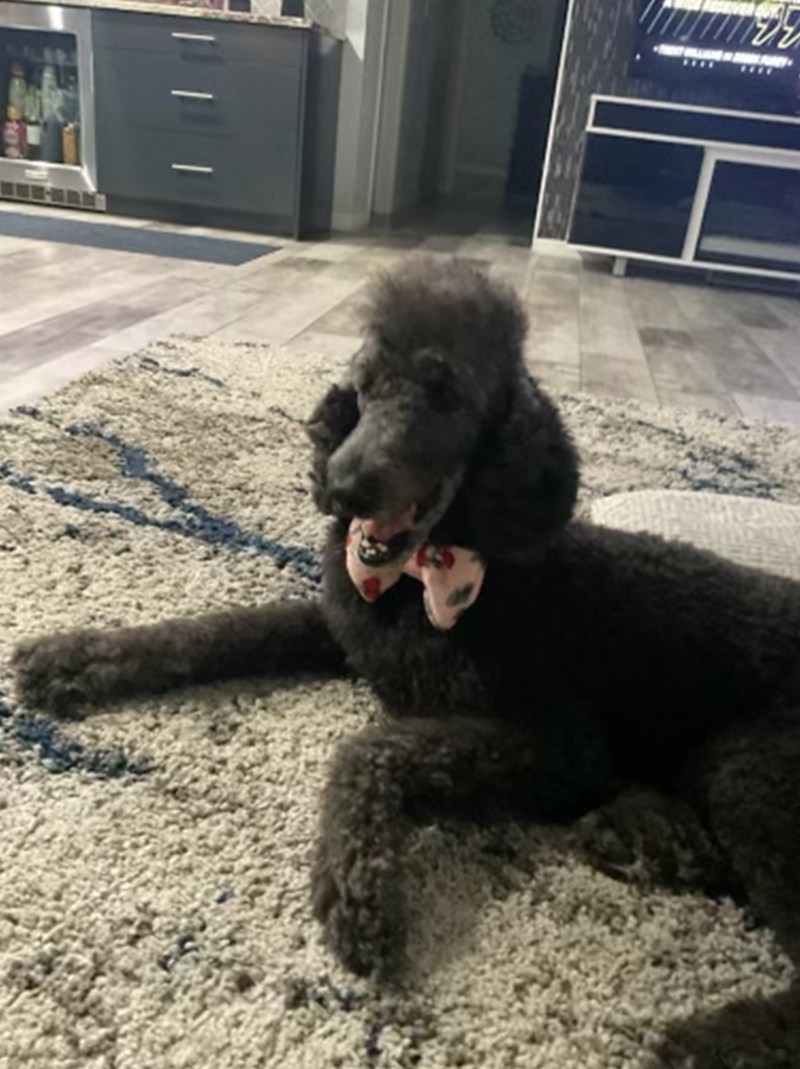
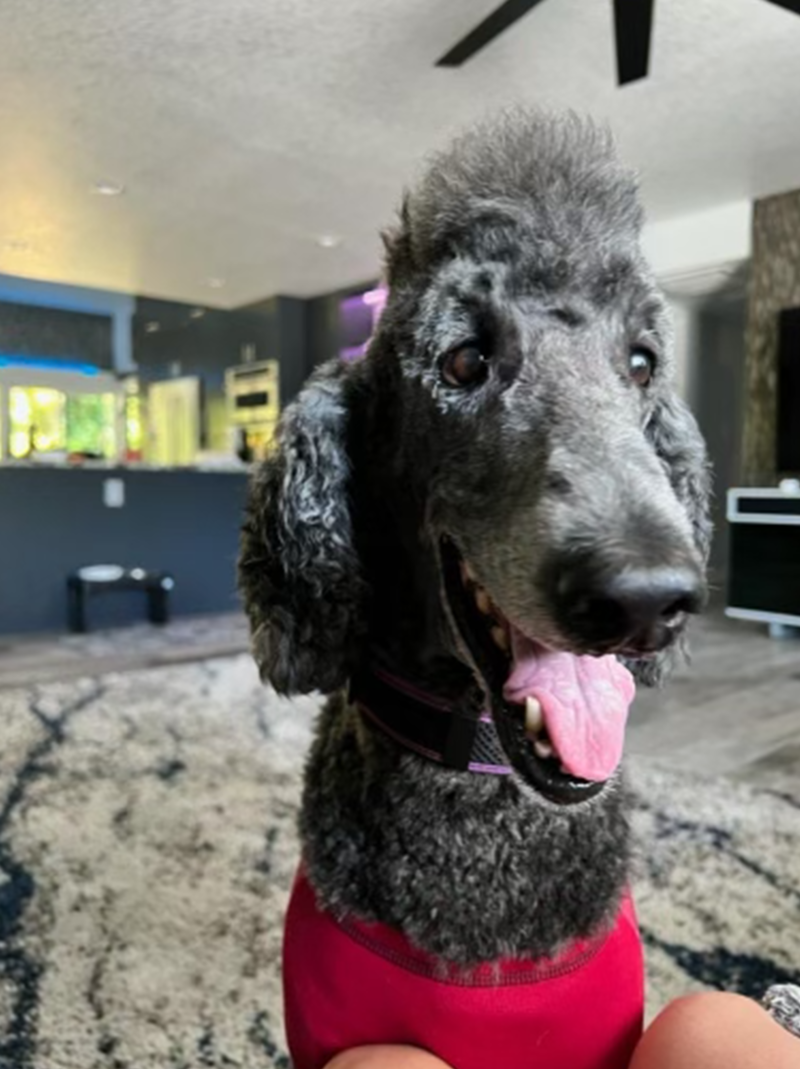
Before choosing a grooming method, it’s crucial to identify what type of coat your dog has. Dogs generally fall into four coat categories. Double-coated breeds, such as Huskies and German Shepherds, have a soft, insulating undercoat and longer guard hairs, which are designed for extreme climates. Single long-coated breeds, such as Shih Tzus or Maltese, have continuously growing hair that requires routine trimming. Curly or wool-coated breeds, such as Poodles and Doodles, typically feature dense curls with minimal shedding but a higher risk of matting. Wire- or hard-coated breeds, such as Schnauzers and Terriers, have a coarse outer coat with less undercoat. Each coat type evolved for specific functions, and knowing which one your dog has is the foundation for proper care.
What Is Deshedding?
Deshedding is the process of removing dead undercoat hair, which naturally sheds seasonally or year-round in indoor pets. A professional deshedding session usually begins with brushing to loosen the undercoat, followed by a deep-cleansing bath with coat-specific shampoo. High-velocity dryers are then used to gently push the loosened fur out without damaging the guard hairs, and a final comb-out ensures that any remaining dead coat is removed.
The benefits of deshedding go beyond appearance. Removing excess undercoat improves airflow, allowing dogs to regulate their body temperature more effectively. It also supports skin health by reducing mats that trap moisture—a key consideration in humid climates like Florida. Deshedding can also help reduce allergens in the home by removing dander and pollen.
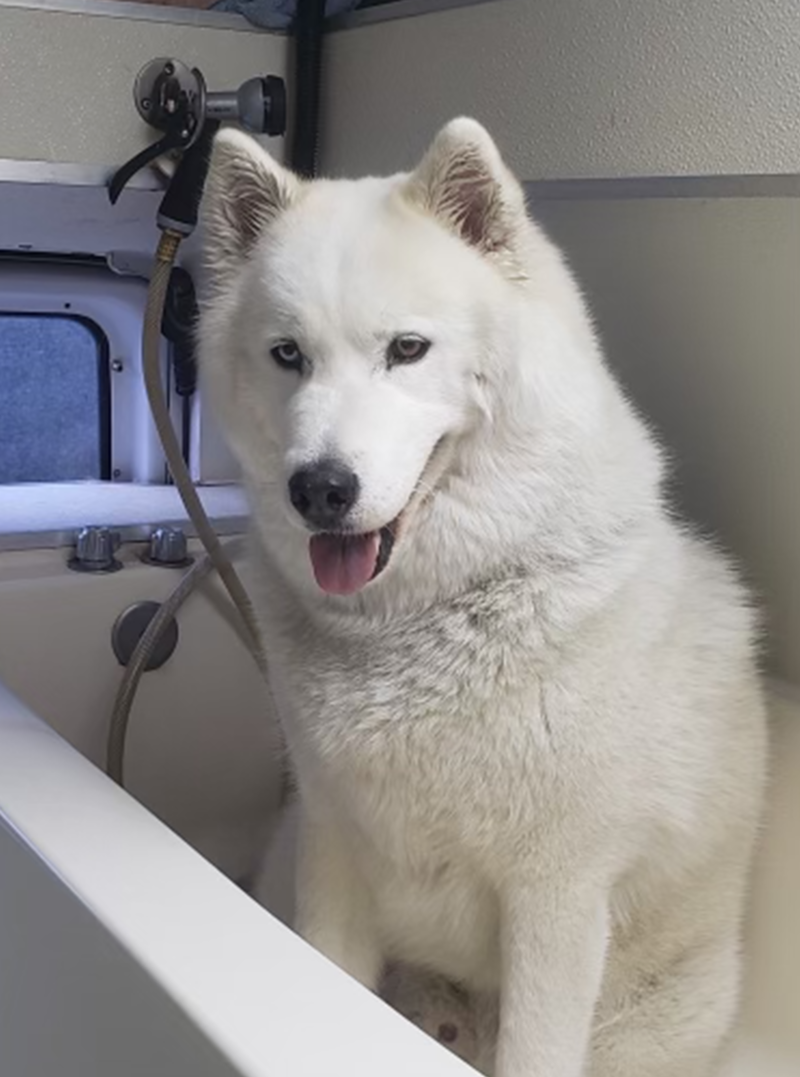
This method is ideal for double-coated breeds, such as Golden Retrievers or Huskies, as well as wire-coated breeds that benefit from hand stripping. However, deshedding should be avoided on thin or patchy coats, and overuse of rakes or dryers can irritate the skin.
What Is a Haircut?
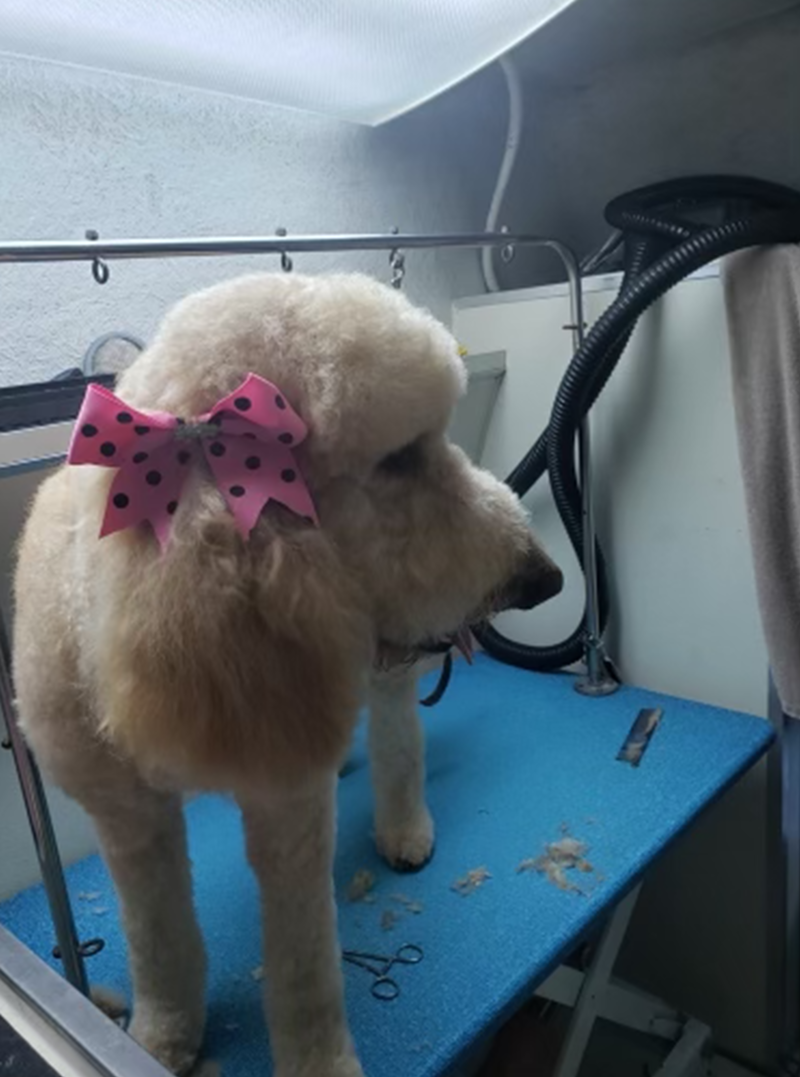
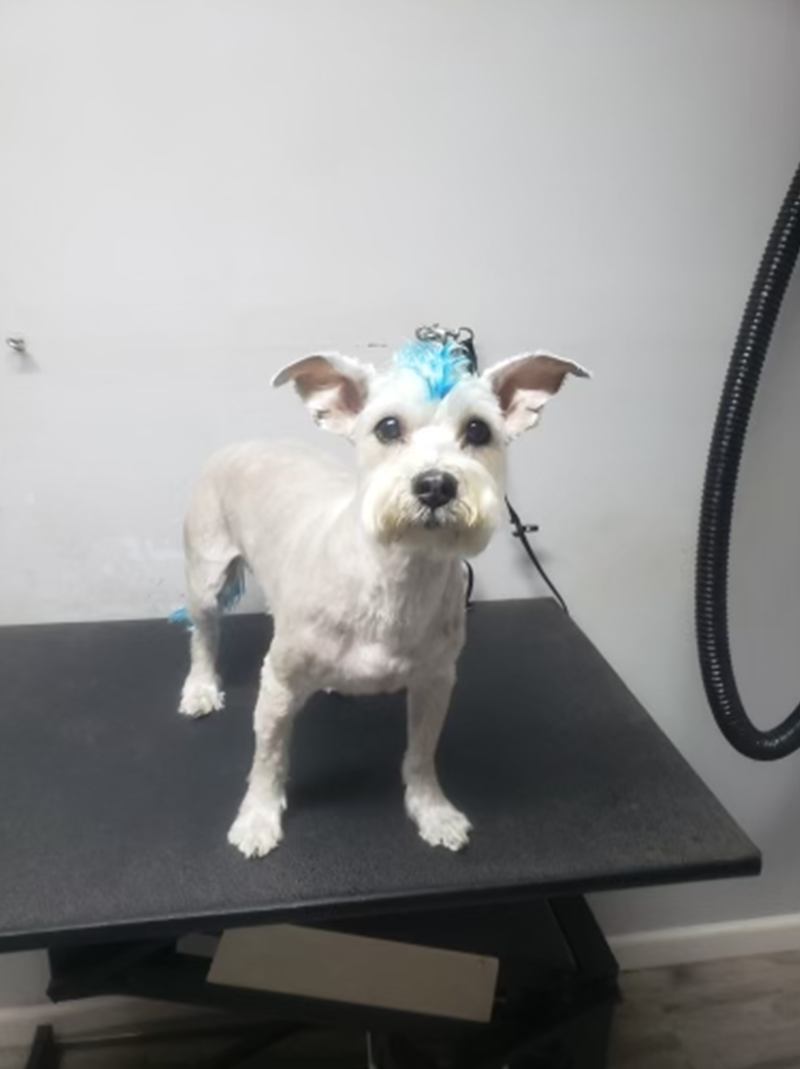
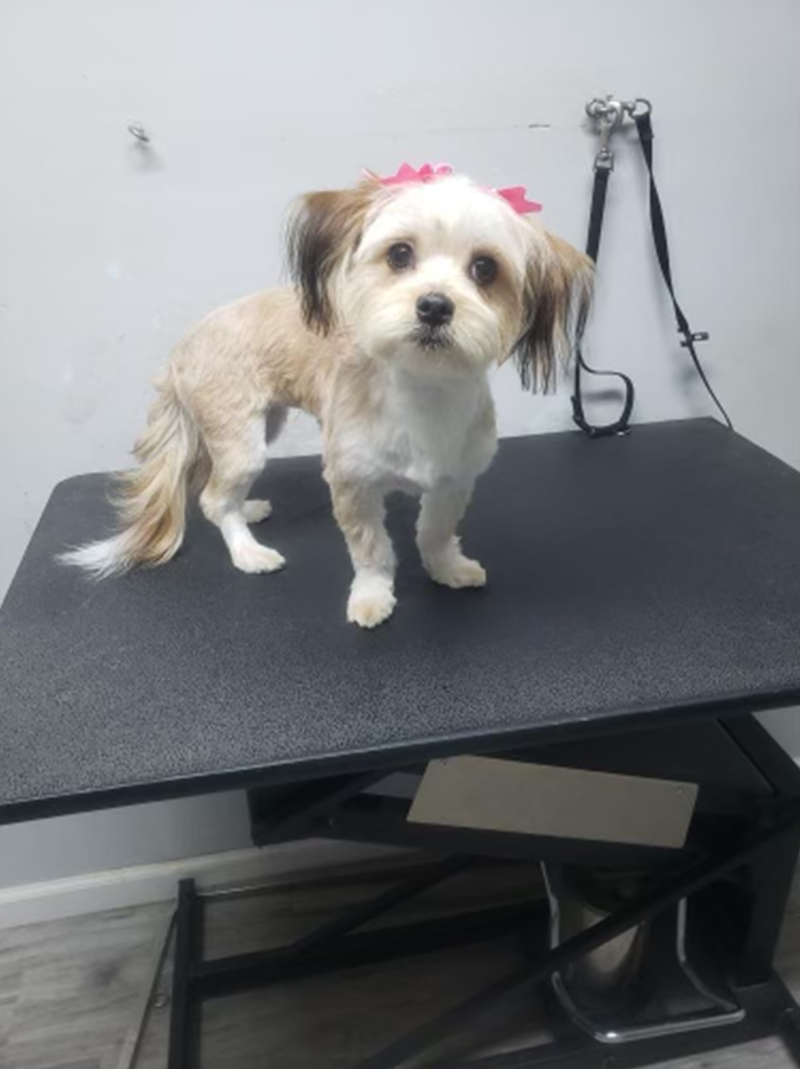
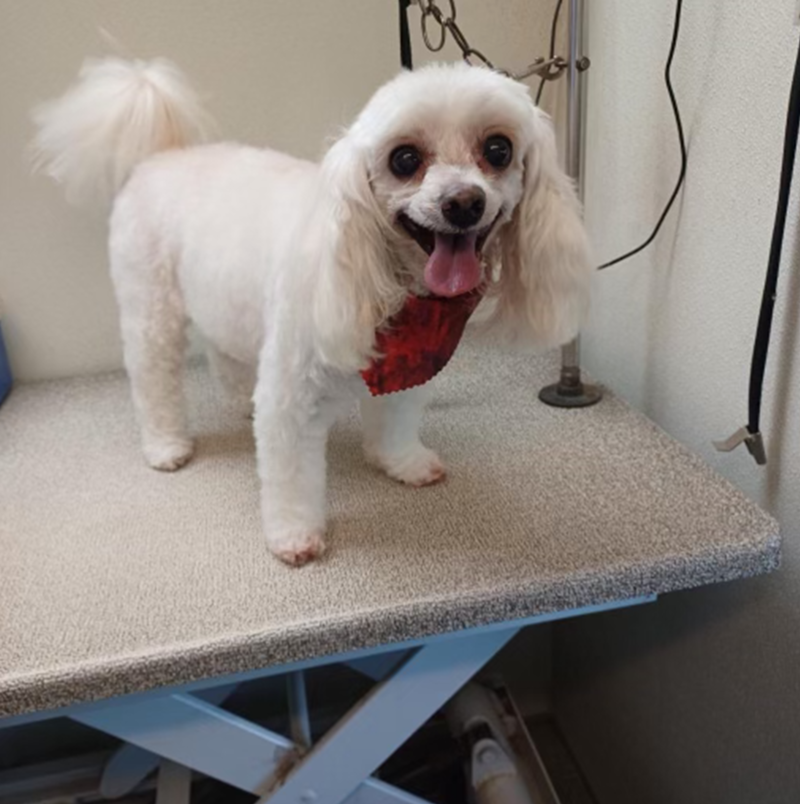
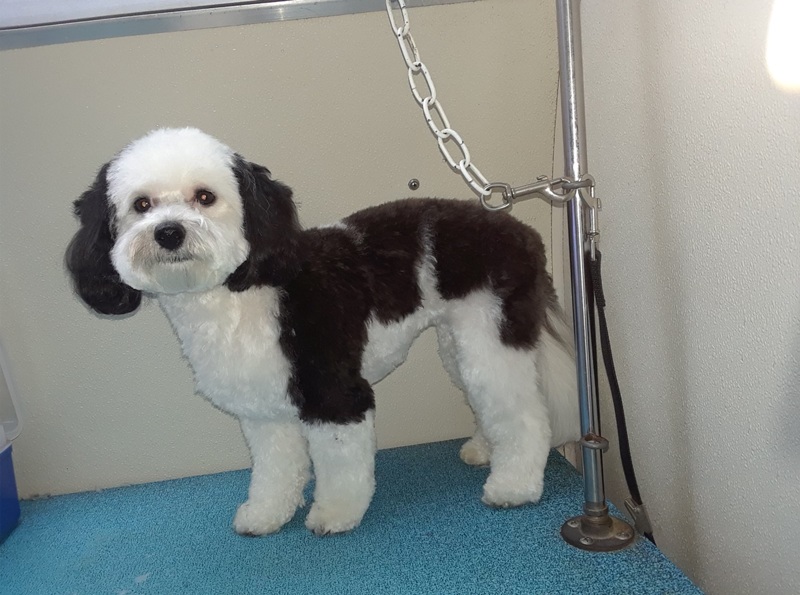
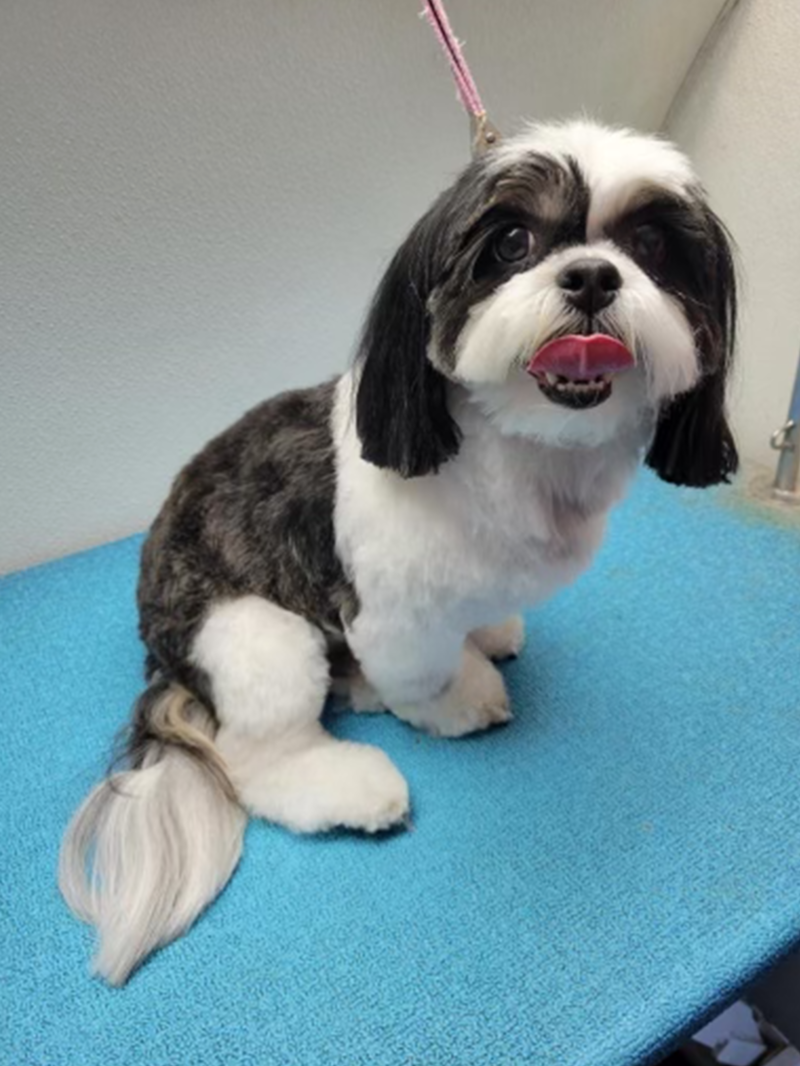
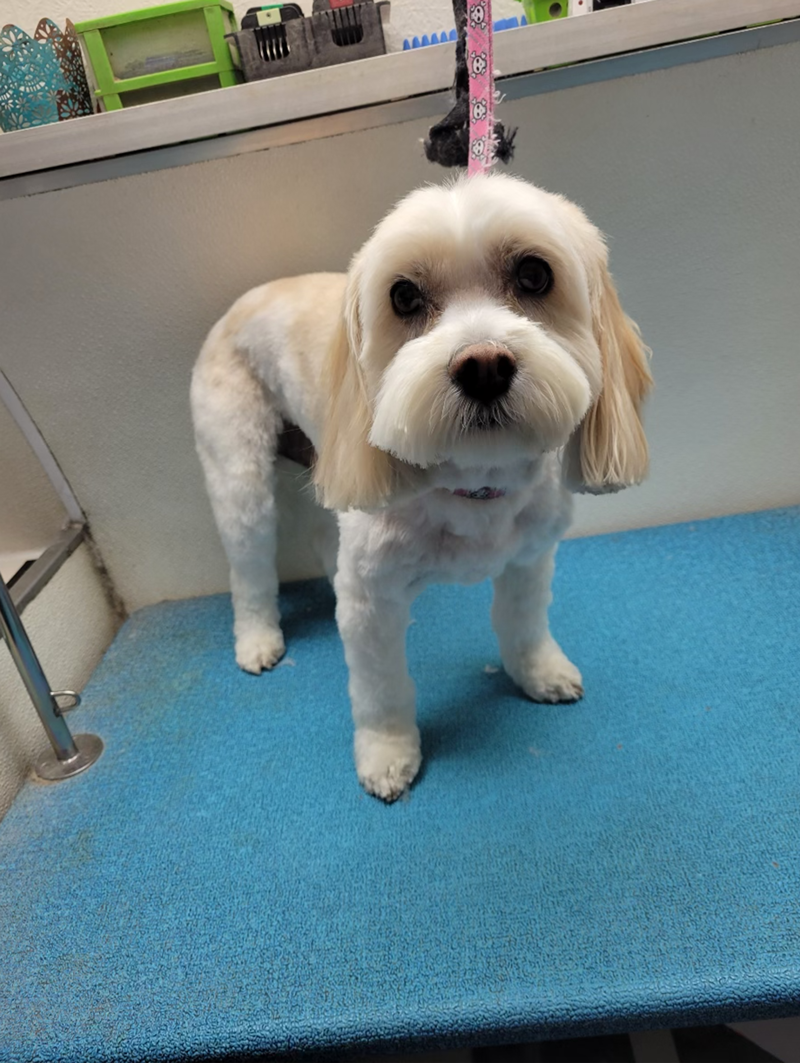
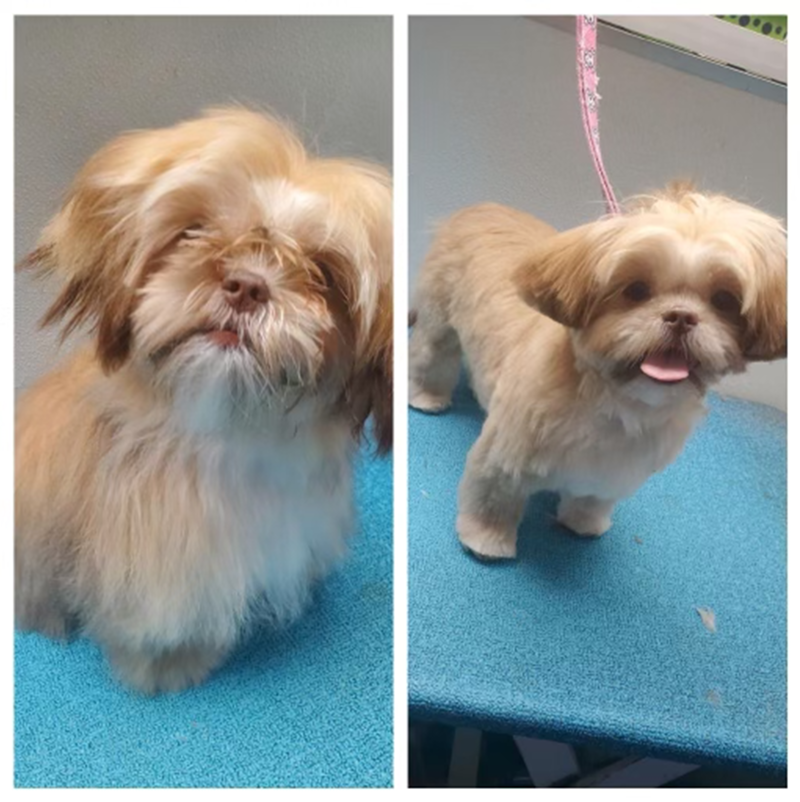
A haircut involves clipping or trimming a dog’s coat to a shorter length. Common haircut styles include the teddy bear or puppy cut, which leaves about half an inch to an inch of hair all over for easy maintenance; breed-standard clips, which follow traditional guidelines for show or function; sanitary trims, which keep the belly and rear short for hygiene; and full shave-downs, which are typically reserved for cases of severe matting or medical necessity.
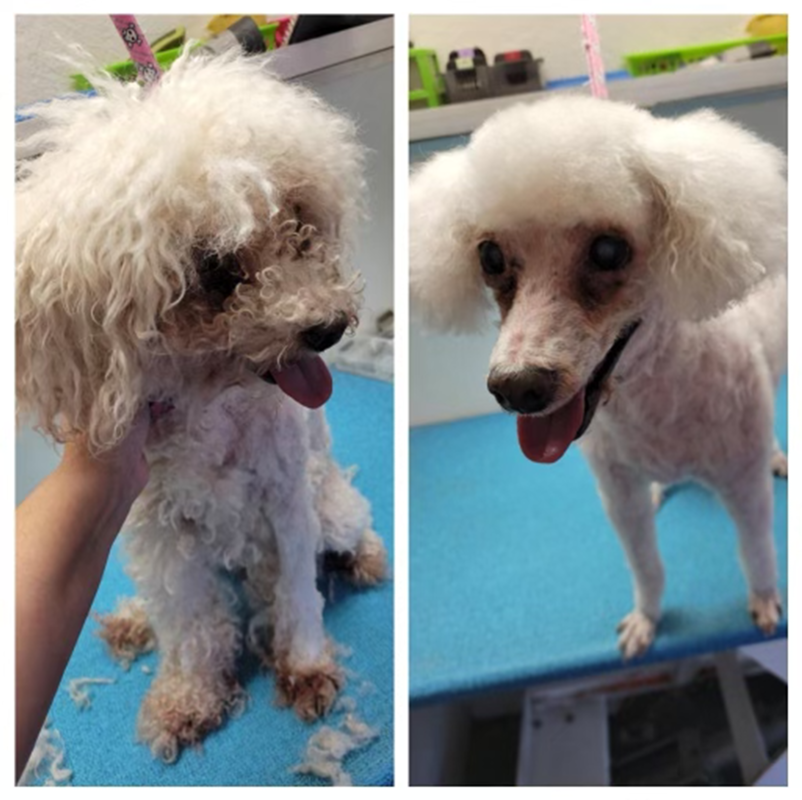
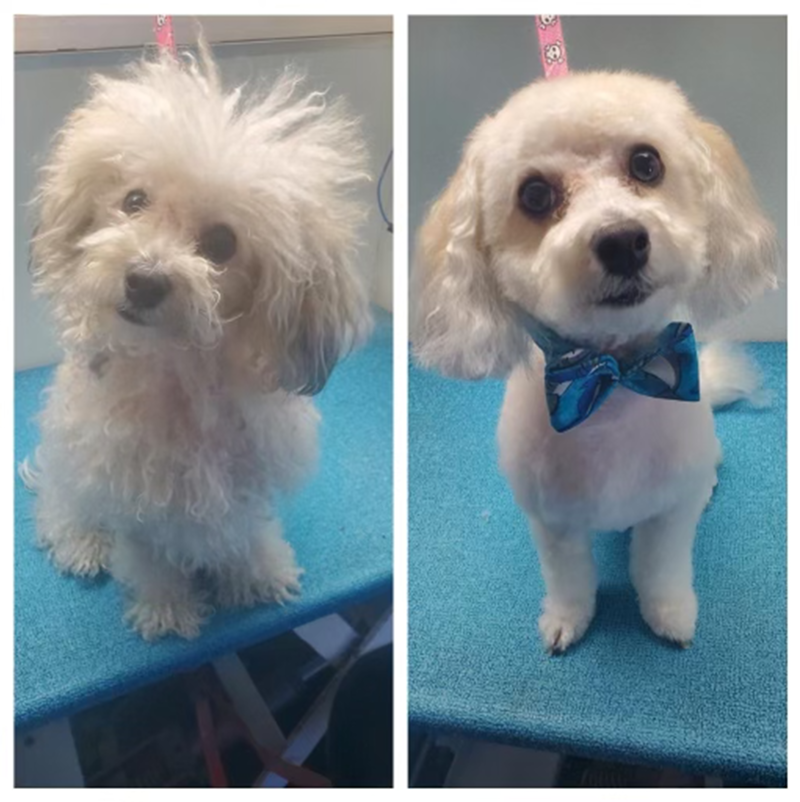
Haircuts offer several benefits. They reduce matting, make bathing and drying easier, and can help with allergies by reducing the volume of hair in the home. Continuous-growth coats, such as those on Poodles, Bichons, or curly mixes, absolutely require regular haircuts to avoid painful mats. Senior dogs or those with hygiene issues may also benefit from shorter, more manageable clips.
That said, there are risks. Shaving a double-coated breed can permanently damage guard hairs, leading to poor temperature regulation and increased risk of sunburn. Some breeds, like Chow Chows and Samoyeds, are prone to post-clipping alopecia, where fur grows back patchy or very slowly. Clippers should always be used with care, and short trims should be avoided unless medically necessary.
Choosing Between Deshedding and Haircuts
The right choice depends on your dog’s coat type, your climate, lifestyle, and your pet’s overall health. Double-coated dogs generally thrive with deshedding because it preserves the protective guard hairs while removing the insulating undercoat. Continuous-growth coats, such as those of Poodles and Maltese, require regular haircuts to stay manageable and comfortable.
Climate also plays a significant role. In hot, humid regions like Florida, deshedding combined with light trimming can improve airflow and comfort. In drier climates, a longer coat may serve as insulation and sun protection. Lifestyle matters too. Active dogs that swim frequently often benefit from a mix of deshedding and sanitary trims, while indoor companions may require less intensive grooming. Finally, health issues such as allergies, hotspots, or arthritis may call for specialized approaches—like shorter clips for older dogs who struggle with lengthy brushing sessions.
Busting Common Grooming Myths
Several myths persist around grooming choices. Many owners believe that shaving keeps double-coated dogs cooler, but in fact, guard hairs reflect sunlight and help regulate their body temperature. Removing them can cause sunburn and overheating. Another misconception is that deshedding tools are just fancy brushes—professional-grade rakes and dryers reach undercoat layers that regular brushes miss. Lastly, some assume that short hair eliminates the need for brushing, but even shaved dogs still require regular brushing to distribute oils, maintain skin health, and monitor for irritation.
A Combined Approach
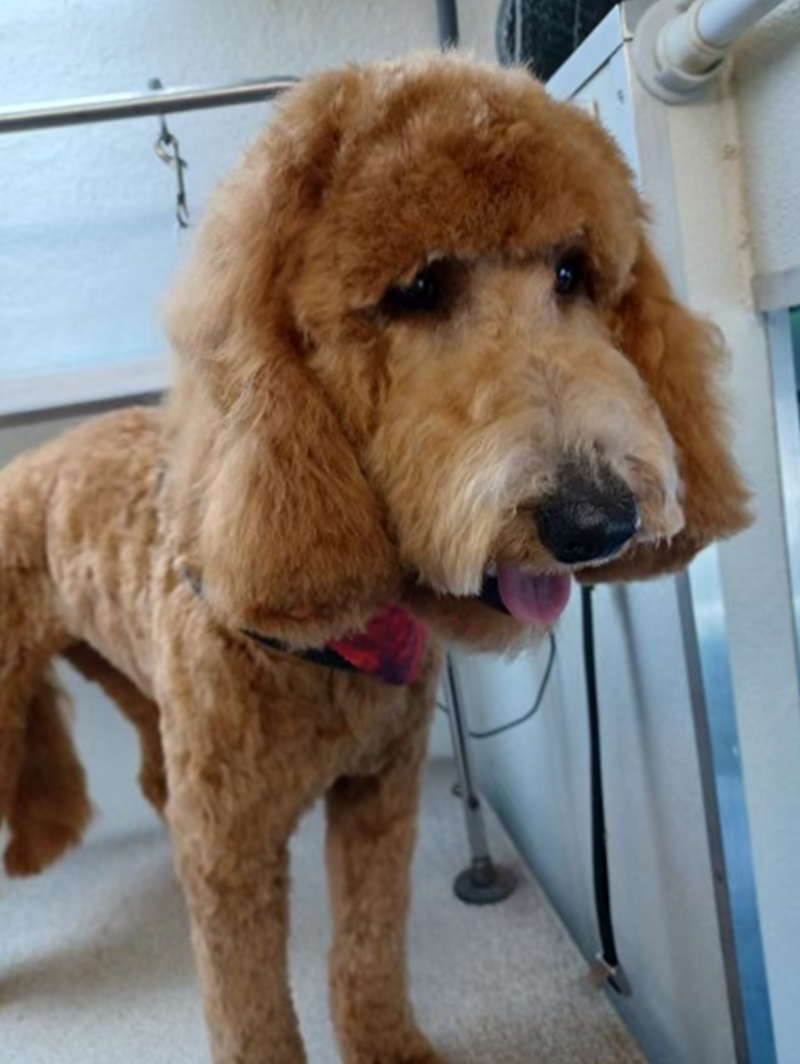
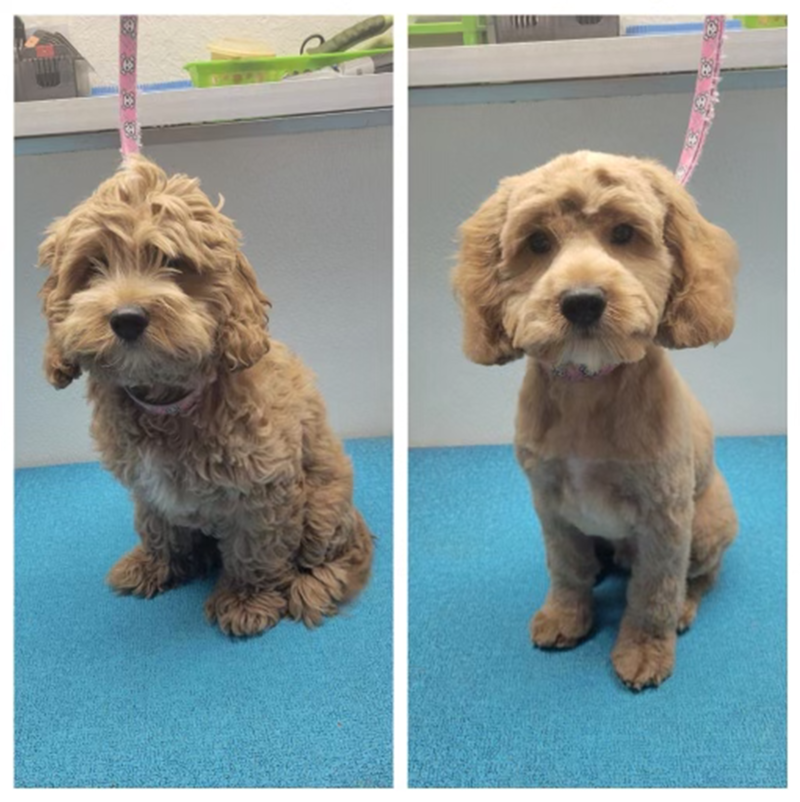
Some dogs benefit from a hybrid grooming plan. For example, Golden Retrievers often need a complete undercoat blowout followed by a trim around feathering. Labradoodles may require deshedding in certain areas and a puppy cut in other areas. Bernese Mountain Dogs living in Florida might thrive with seasonal deshedding paired with a moderate one-inch trim for UV protection.
Season and region also influence decisions. In hot summers, deshedding every few weeks may be needed to maintain airflow. In colder climates, trimming paw pads helps prevent ice buildup, while spring deshedding clears out the heavy winter undercoat. Allergy season may require weekly baths and coat conditioning to minimize pollen exposure.
DIY vs. Professional Grooming
Some aspects of grooming can be done at home, such as light brushing or occasional rinsing after swimming. But full deshedding sessions or breed-standard clips often require professional expertise. Groomers bring specialized tools—high-velocity dryers, precision clippers, and medicated shampoos—and the training to use them safely and effectively without harming your dog. DIY grooming risks include clipper burn, uneven trims, or incomplete undercoat removal. Professionals save time and ensure your dog’s coat remains healthy, functional, and beautiful.
Key Takeaways
Your dog’s coat type should guide whether deshedding or haircuts—or a mix of both—are best. Double-coated breeds usually benefit from deshedding, while continuous-growth coats require regular trimming. Climate, lifestyle, and health status refine the approach, ensuring comfort and protection. Myths about shaving and brushing often lead owners astray, but professional groomers and veterinarians can create tailored plans.
Partner With the Experts
Your dog’s coat is a natural masterpiece designed to insulate, protect, and adapt. By matching grooming methods to biology and climate, you respect that design while minimizing discomfort and health risks.
If you’re still unsure whether deshedding or clipping is right for your dog, Groomobile can help. Our certified groomers arrive at your door with the tools and expertise to assess your dog’s coat, environment, and lifestyle. From deshedding mastery to breed-perfect trims, we design a routine that keeps your dog healthy, comfortable, and looking their best.
Ready to say goodbye to confusion—and to fur tumbleweeds? Contact Groomobile today to schedule a personalized grooming session where coat science meets stress-free care.