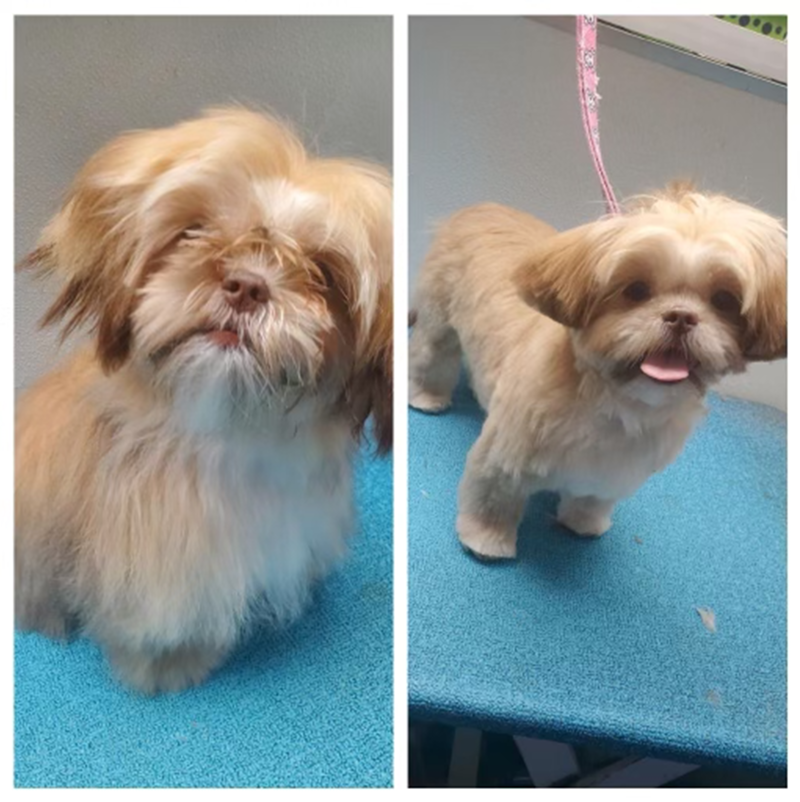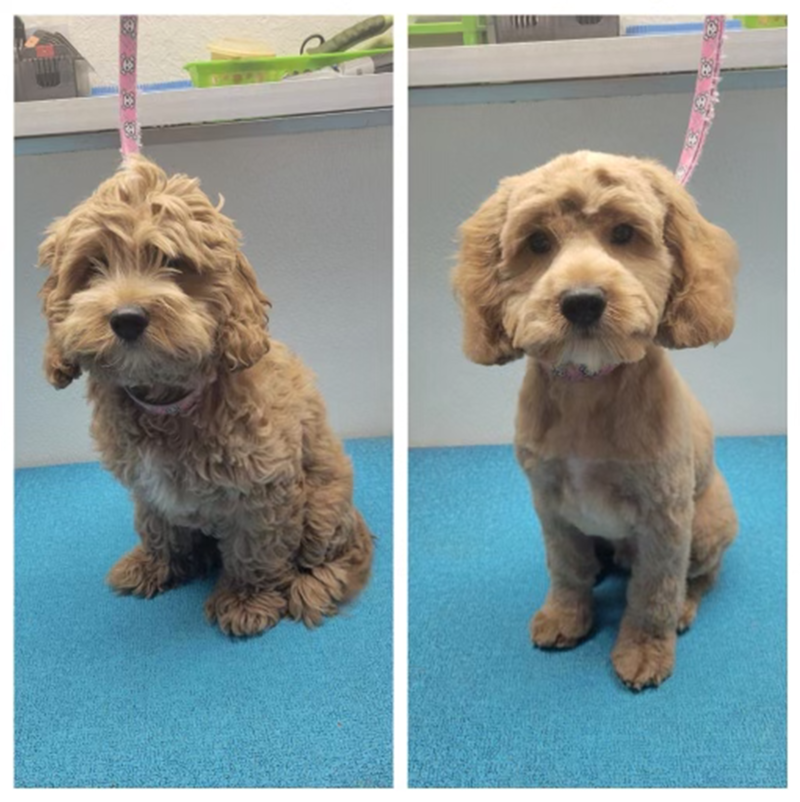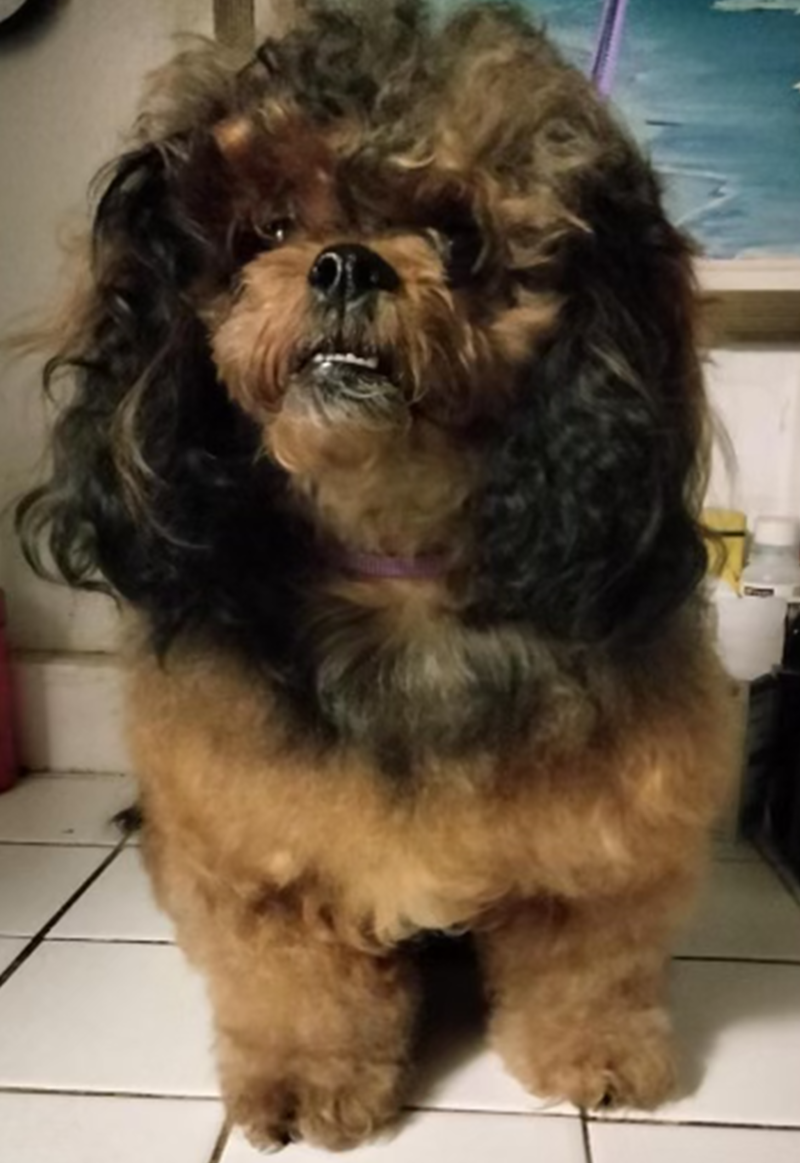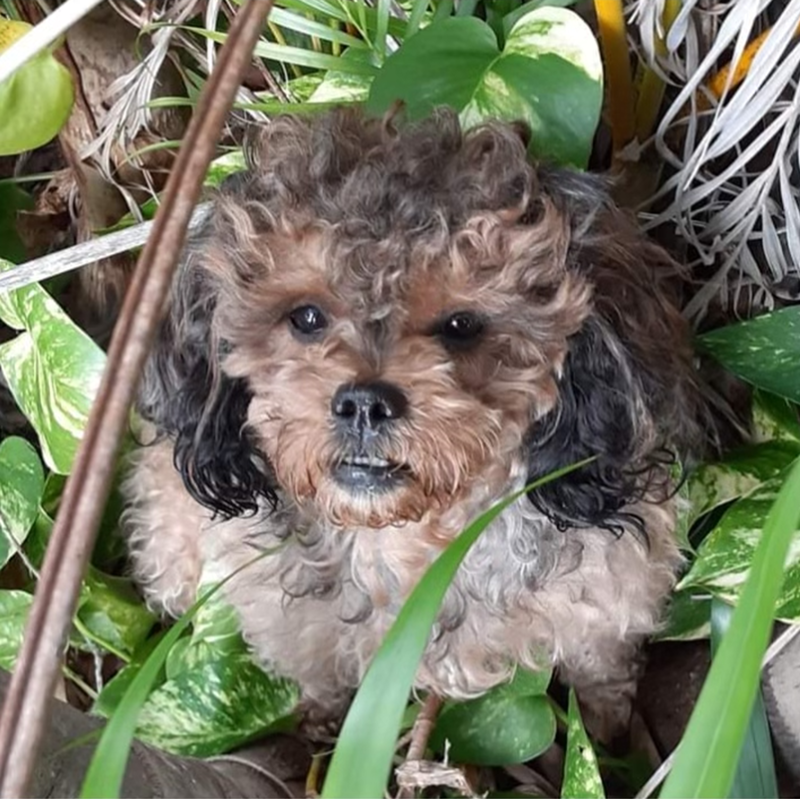
DIY Grooming Mistakes That Can Harm Your Pet’s Skin or Coat
Why Good Intentions Aren’t Always Enough
From viral TikTok tutorials to pandemic-era cost savings, do-it-yourself pet grooming has surged. A clean coat, trimmed nails, and tangle-free fur feel like acts of love—but missteps with the wrong tool or technique can turn good intentions into injury. Veterinarians and professional groomers routinely treat skin infections, clipper burns, and coat damage that often begin with a well-meaning bath or haircut at home.
Because grooming touches a pet’s health and well-being, it falls squarely under Google’s YMYL (Your Money or Your Life) content category. Misinformation can lead to pain, costly treatments, or long-term coat damage. Drawing on veterinary dermatology research and firsthand insights from Groomobile’s certified team, this guide spotlights the most common DIY mistakes—and how to avoid them.
-
Using Human Shampoo on Pets
Why It Hurts
Human skin typically rests at a pH of ~5.5, while dogs average between 6.2 and 7.4, and cats range from 6.0 to 6.5. Human shampoos—even “baby mild” formulas—can disrupt a pet’s acid mantle, stripping protective oils, increasing susceptibility to bacteria, and leaving the skin itchy or flaky.
Better Practice
Invest in a species-specific, pH-balanced shampoo that is free from sulfates and artificial fragrances. For pets with allergies or sensitive skin, look for oatmeal or aloe-enriched formulas reviewed by dermatologists.
-
Skipping the Brush-Out Before a Bath
Why It Hurts
Water tightens existing mats, turning small tangles into felted knots that cling to moisture. As they dry, mats contract, pinching skin, obstructing airflow, and fostering hot spots or fungal infections.
Better Practice
Always detangle before bathing:
- Use an undercoat rake for dogs with double coats.
- Follow with a slicker brush to capture remaining loose fur.
- Finish with a wide-tooth comb to ensure no snags remain.
-
Cutting Mats Out With Scissors
Why It Hurts
Pet skin is far thinner (2–3 cells) than human skin. Mats pull skin upward; a slip of scissors can create life-threatening lacerations. Emergency vets see these wounds weekly, often requiring stitches or drainage.
Better Practice
For minor knots, apply a silicone-based detangling spray, then gently tease them apart with a mat splitter or your fingers. Suppose the mat is larger than a quarter; schedule professional dematting. Groomers use clipper blades and proper restraint to safely remove mats.
-
Clipper “Lion Cuts” on Double-Coated Dogs
Why It Hurts
Close shaving removes guard hairs that regulate temperature and block UV rays. Follicles may stop producing guard hairs entirely (post-clipping alopecia), resulting in patchy, woolly regrowth that tangles easily and fails to protect the skin from sunburn.
Better Practice
For heat relief, request a comb-clip from a professional: guard hairs stay at least ½–1 inch long, while the undercoat is thinned with de-shedding tools. Combined with forced-air drying, this method preserves the coat’s function without overheating the pet.
-
Ignoring Ear Protection During Baths
Why It Hurts
Water trapped in the vertical L-shaped ear canal breeds yeast and bacteria, causing otitis externa—itchy, painful ear infections that smell bad and can rupture eardrums if untreated.
Better Practice
Place cotton balls lightly inside the ears before bathing; remove afterward and dry the outer ear with a clean towel. Use a vet-approved ear-drying solution if your dog swims often. Never insert Q-tips or pour water directly into the ears.
-
Dull Clipper Blades and Overheating
Why It Hurts
Blunt blades tug fur, irritate follicles, and leave track lines. Worse still, unlubricated, uncooled blades can reach temperatures exceeding 118°F in minutes, leading to “clipper burn”—a red, inflamed rash that may blister or develop into a bacterial infection.
Better Practice
- Sharpen or replace blades regularly.
• Lubricate every 10–15 minutes.
• Keep a coolant spray handy and switch blades when warm. Touch the blade to your forearm; if it feels hot, it’s too hot for skin.
-
Nail Trimming Too Short (Hitting the Quick)
Why It Hurts
It quickens the heart’s nerves and blood vessels. A misaimed clip bleeds profusely and conditions the pet to fear trims. Repeated trauma can cause overgrowth, splitting, or infection.
Better Practice
- Use sharp pet clippers and good lighting.
• For transparent nails, clip 1–2 mm before the pink crescent.
• For dark nails, trim tiny slivers until a grayish oval appears.
• Keep styptic powder on hand. If anxiety runs high, trim one paw per day over four days.
-
Using Human Hair Dryers on High Heat
Why It Hurts
Household dryers can exceed 140°F. Concentrated heat scalds skin, especially under the armpits and groin, where fur is thin. Rapid surface drying leaves the undercoat wet, which is perfect for bacterial growth.
Better Practice
Use a pet-safe forced-air dryer with a variable, no-heat (ambient) setting. Keep the nozzle 6 inches away and move it continuously in the direction of hair growth. If you must use a human dryer, use the cool setting only.
-
Cotton-Swab Ear Cleaning
Why It Hurts
Cotton swabs push wax deeper and risk perforating the eardrum. Micro-abrasions from the swab introduce infection.
Better Practice
Drip vet-approved ear cleanser into the canal, massage the base, and let your pet shake. Wipe external folds with gauze or a soft cloth. If discharge is brown and foul-smelling, consult a veterinarian.
-
Overbathing With Medicated Shampoos
Why It Hurts
Medicated shampoos (such as chlorhexidine and benzoyl peroxide) can overdry the skin when used without veterinary guidance, potentially triggering rebound oil production or stripping topical flea medications.
Better Practice
Follow prescriptions precisely: contact time (often 10 minutes), rinse thoroughly, and apply a moisturizer if instructed. Consult your vet before starting any medicated regimen “just in case.”
-
DIY Toothbrushing Mistakes
Why It Hurts
Using human toothpaste (containing xylitol or fluoride) can be toxic to pets. Aggressive scrubbing can damage gums, leading to recession and exposure of the tooth roots.
Better Practice
Select an enzymatic pet toothpaste and a finger brush. Brush in gentle, circular motions along the gum line. Introduce paste by letting the pet lick it off your finger first.
-
Forgetting Anal Gland Checks
Why It Hurts
Some breeds (e.g., small dogs) struggle to express their glands naturally. DIY squeezing without training can rupture glands or cause infection.
Better Practice
Leave expression to groomers or veterinarians trained in the technique. If your dog scoots or licks its rear obsessively, schedule a professional exam.
-
Bathing Immediately After Topical Flea Treatment
Why It Hurts
Bathing too soon washes off active ingredients, reducing protection and wasting money. Flea bites then lead to dermatitis or tapeworm infections.
Better Practice
Read product guidelines; most require a 48-hour wait before or after application. Oral preventives bypass this issue and may suit frequent swimmers.
-
Shaving Cats to Control Hairballs
Why It Hurts
Lion cuts expose cats to sunburn and temperature swings, which can cause stress, and some cats may develop behavioral changes after shaving. Shaved skin secretes more oils, matting faster and negating your goal.
Better Practice
Implement daily brushing, an omega-3-rich diet, and hairball gels. For severe mats, choose a comb cut that leaves at least ½ inch of fur, executed by a groomer experienced with feline restraint.
-
Neglecting Tool Sanitation
Why It Hurts
Clippers, combs, and towels collect yeast, bacteria, and parasites. Cross-contamination can spread infections between household pets.
Better Practice
Wash tools in hot, soapy water and disinfect with a pet-safe spray after each session. Dry thoroughly to prevent rust.
-
Overlooking Post-Groom Skin Checks
Why It Hurts
Minor nicks, clipper burns, or chemical sensitivities worsen if unnoticed under fur. Pets often hide signs of pain until an infection sets in.
Better Practice
After each session, run your hands over the entire coat, checking for heat, swelling, or rash. Monitor for signs of itching, head-shaking, or excessive licking over the next 48 hours.
-
Rushing the Process
Why It Hurts
Stress elevates cortisol, impairing immune response and turning grooming into a fear-inducing event. Pets conditioned to panic are harder to groom safely next time.
Better Practice
Break tasks into short sessions with high-value treats. Keep the environment quiet. If anxiety persists, consider consulting a trainer or booking mobile grooming in a calmer setting.
-
When to Call Professional Reinforcements
- Matted fur larger than a golf ball
- Persistent “doggy” odor despite baths
- Foul-smelling ear or discharge
- Repeated clipper burns or nail-trim bleeding
- Pets biting or scratching during DIY attempts
Mobile services like Groomobile eliminate travel stress, use industrial dryers, maintain sterilized tools, and employ groomers certified in pet first aid—far safer than learning on the fly at home.
Key Takeaways
- DIY grooming can save money, but it carries health risks when the techniques or products are misused.
- pH-balanced shampoos, sharp tools, pre-bath brushing, and proper drying protect skin and coat integrity.
- Some tasks—such as mat removal, anal gland expression, and breed-specific trims—are best left to professionals.
- Continuously monitor the post-groom skin and behavior, and consult a veterinarian for any abnormalities.
Conclusion
Grooming is more than aesthetics—it’s essential to overall health. By avoiding these common DIY pitfalls, you can safeguard your pet’s skin, coat, and overall comfort. But if nerves, time constraints, or complex coats make home grooming feel risky, why go it alone?
Groomobile brings a fully equipped, climate-controlled grooming spa right to your driveway, staffed by certified professionals who know skin science as well as style. From gentle dematting to breed-perfect trims and medicated baths, we handle the challenges so you can simply enjoy a healthy, happy pet.
Ready for stress-free, skin-safe grooming? Contact Groomobile today to schedule your pet’s personalized pampering session—no guesswork, no drama, just expert care at your front door.