How Often Should You Really Bathe Your Pet?
Pet owners often ask the same question: “How often should you bathe your pet?” While it may seem like a simple issue, there’s no universal answer. The correct frequency depends on factors like your pet’s breed, coat type, activity level, age, and skin health. Bathing too often can irritate the skin. Waiting too long can lead to matting, odor, or skin infections.
This guide guides how often to bathe your pet, drawing on professional grooming expertise and veterinary recommendations. Whether you have a high-maintenance poodle or a self-cleaning cat, you’ll gain clarity on the proper schedule for your pet’s unique needs.
Why Bathing Your Pet Matters
Bathing isn’t just about reducing odor—it supports your pet’s overall health and comfort. Regular baths help:
-
Remove dirt, allergens, and loose fur
-
Control shedding and matting
-
Support healthy skin and coat conditions
-
Allow early detection of lumps, rashes, or infections
-
Prevent parasites and skin issues from worsening
That said, more isn’t always better. Just like with humans, overwashing can strip your pet’s natural oils, leading to dryness and irritation. The goal is to strike a balance.
What Determines How Often Your Pet Should Be Bathed?
1. Breed and Coat Type
The breed and coat type significantly influence how often your pet needs a bath.
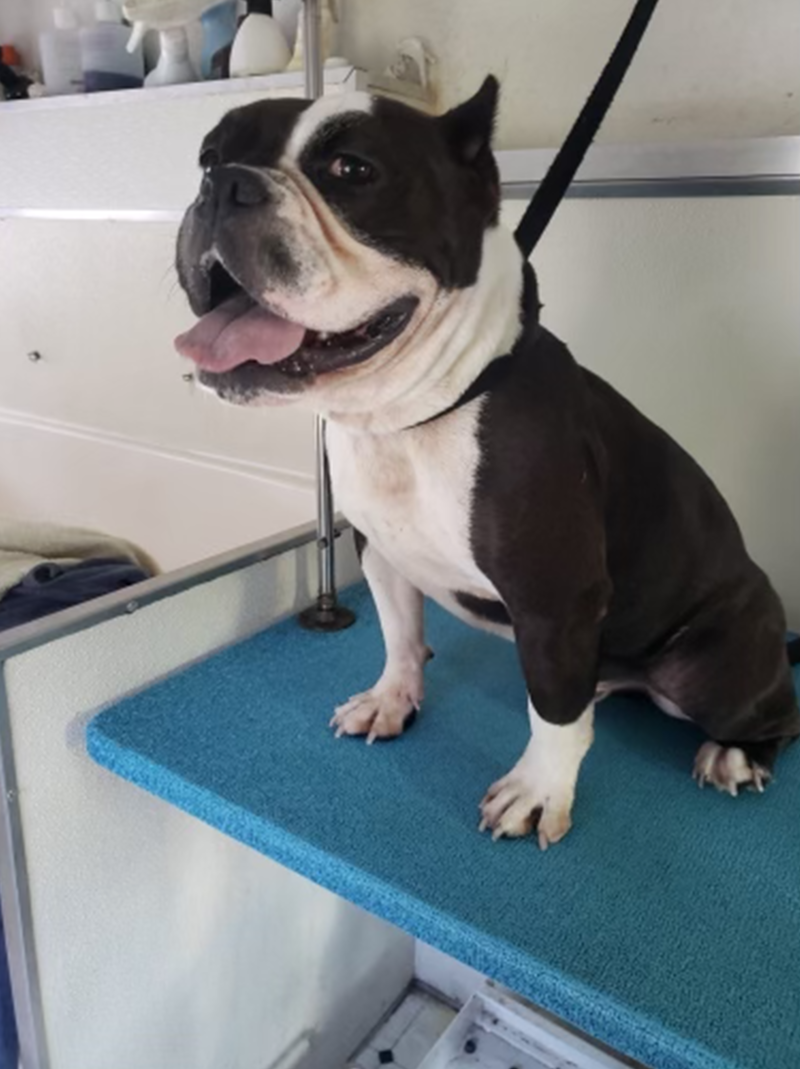
Dogs with short, smooth coats—such as boxers and beagles—generally require fewer baths, about every one to three months. Their fur doesn’t trap as much dirt, and natural oils help keep their skin healthy.
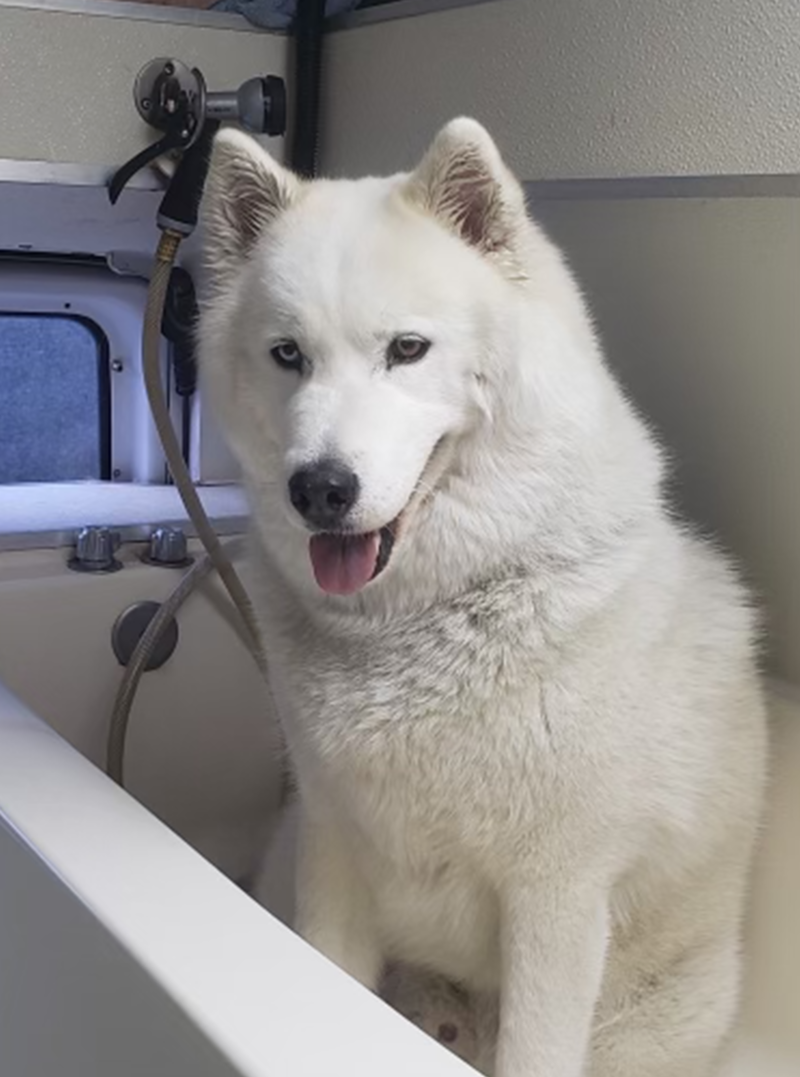
Dogs with medium to thick double coats, such as Golden Retrievers and Huskies, typically require a bath every one to two months to prevent buildup and odor. These breeds shed seasonally and benefit from more frequent grooming during those times.
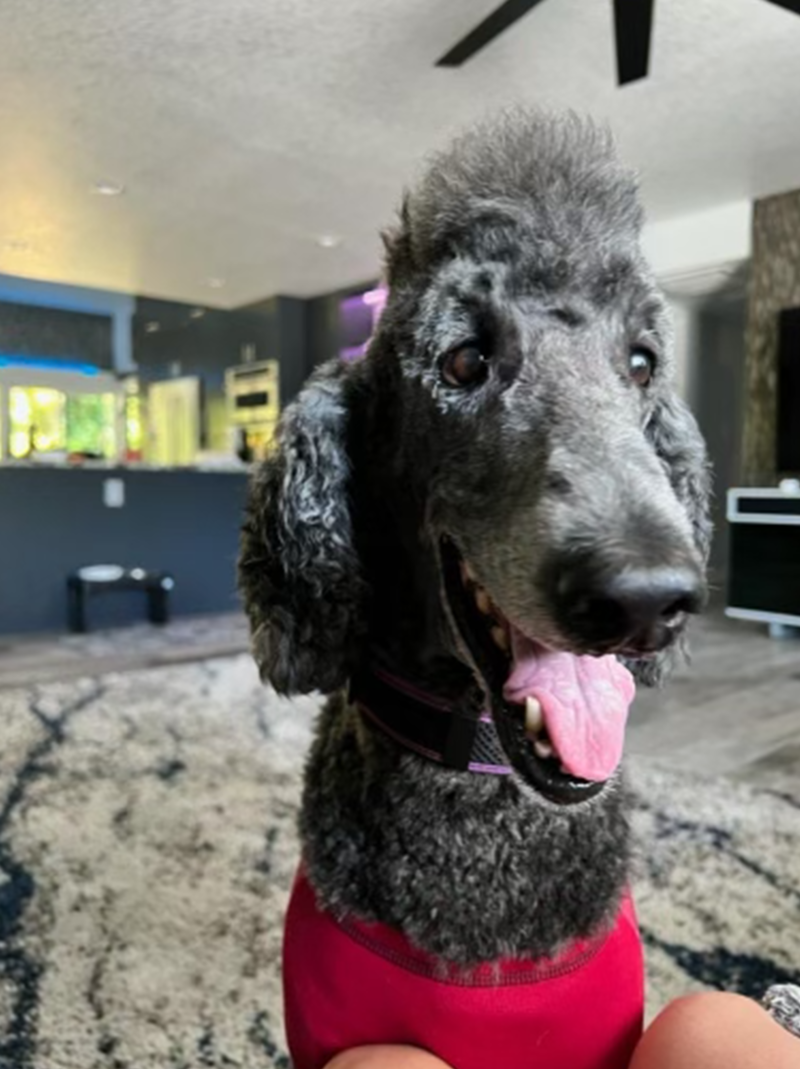
Curly or long-haired breeds, such as poodles and Shih Tzus, may require more frequent bathing—about every three to four weeks. Their fur can mat quickly, and frequent brushing alone is often insufficient.
Dogs with naturally oily skin, such as Basset Hounds, tend to develop a strong odor more quickly and may require weekly or biweekly baths to manage the buildup.
Hairless dogs, such as the Chinese Crested or Xoloitzcuintli, should be bathed about once a week, as they lack fur to absorb oil and dirt.
Cats, on the other hand, rarely need baths unless they have long hair, a medical condition, or have gotten into something messy. Most cats self-groom effectively.
2. Activity Level and Environment
An indoor dog that mostly lounges on the couch will stay cleaner longer than an outdoor dog that enjoys running through trails, mud, or water. Dogs that frequently hike, swim, or play outside often require more frequent bathing to prevent dirt, pollen, and debris from accumulating.
Urban pets may also accumulate pollutants, road salt, or oils from walking on pavement, and may benefit from a more consistent bath schedule.
Indoor-only cats typically maintain their hygiene, but long-haired cats may require occasional assistance, especially if they are prone to tangles.
3. Skin Conditions and Allergies
If your pet has allergies, infections, or skin conditions, your veterinarian may prescribe a specific bathing schedule using medicated shampoos. This could range from weekly to biweekly baths, depending on the severity of the issue.
Bathing may also be part of managing:
-
Flea infestations
-
Hot spots
-
Yeast or bacterial infections
-
Itchy skin due to seasonal allergies
Always follow your veterinarian’s instructions when addressing skin-related health concerns.
4. Age and Mobility
Puppies and kittens should only be bathed when necessary, since their skin is more sensitive. Elderly pets may require additional assistance with hygiene, particularly if they struggle with mobility or experience accidents, but they also need gentle, low-stress care to minimize discomfort.
Bathing Mistakes Pet Owners Should Avoid
While many pet parents mean well, a few common missteps can cause issues:
-
Using human shampoo, even baby formulas, which can upset your pet’s pH balance
-
Bathing too frequently and stripping away protective oils
-
Neglecting to brush your pet before the bath can cause mats to tighten
-
Washing a sick, injured, or senior pet without consulting a professional
-
Skipping proper rinsing, leading to irritation or residue on the skin
Always use products formulated for pets and follow up with conditioning or moisturizing treatments if recommended.
Bathing Frequency Guidelines for Dogs
If you’re wondering how often to bathe your dog, here’s a breakdown by coat type, explained in plain language:
Dogs with short or smooth coats typically do well with baths every six to twelve weeks. These dogs stay cleaner for longer and are easier to wipe down if needed.
Dogs with medium to long fur, especially those with undercoats, benefit from bathing every four to eight weeks. Their coats collect more dirt and may require more attention during shedding seasons.
Curly-haired breeds or dogs with long, flowing coats often need baths every three to four weeks to prevent matting, reduce buildup, and keep their fur manageable.
Hairless breeds need frequent bathing—usually weekly—because they produce oils that sit directly on the skin without fur to absorb them.
Oily-coated breeds, such as basset hounds, may also require a weekly schedule to keep odor and buildup under control.
These are general guidelines and may need to be adjusted based on how dirty or oily your dog gets in between scheduled baths.
How Often Should You Bathe Your Cat?
Most cats don’t need routine bathing thanks to their natural grooming instincts. However, there are exceptions:
-
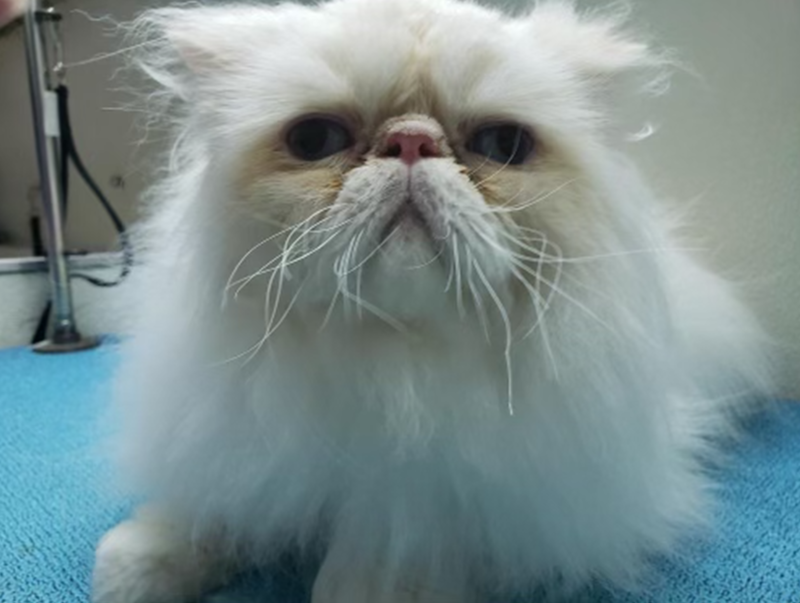
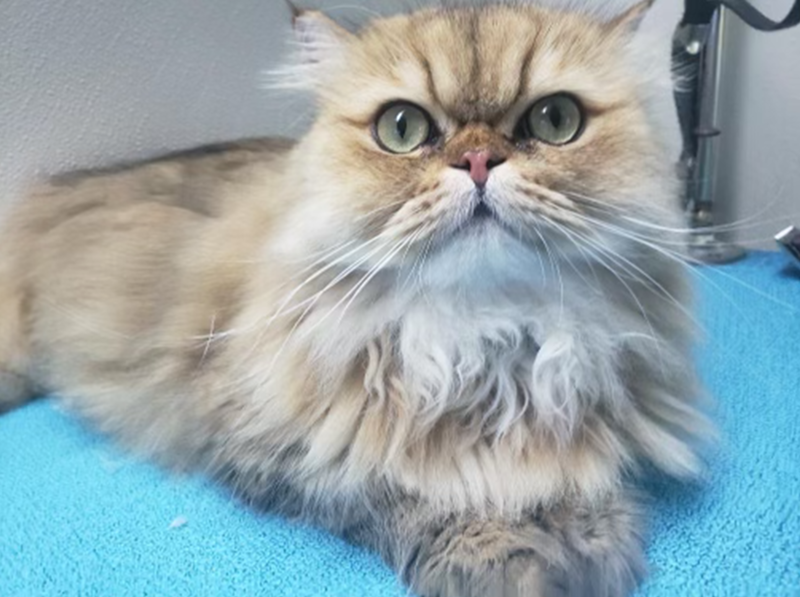
Long-haired cats, such as Persians or Ragdolls, may require a bath every four to six weeks to manage tangles and control oil production.
-
Cats with arthritis, obesity, or other mobility issues may require occasional bathing, since they may not be able to groom themselves adequately.
-
Hairless cats, such as the Sphynx, require weekly baths to clean their skin and prevent buildup.
-
Cats with allergies or skin conditions may need medicated bathing routines.
If you’re unsure, consult with your veterinarian or a groomer who understands feline needs.
Signs It’s Time for a Bath
Rather than relying solely on the calendar, pay attention to how your pet looks, smells, and feels. Here are signs it may be time for a bath:
-
Your pet has an odor that isn’t typical
-
The coat feels greasy, sticky, or dirty to the touch
-
You see visible dirt, dandruff, or oil buildup
-
Your pet is scratching or biting at their skin more often than usual
-
They’ve rolled in something messy or unpleasant
Also, monitor for signs of discomfort after bathing. If your pet’s skin becomes red, flaky, or itchy, you may need to reduce the frequency or try a gentler shampoo.
Choosing the Right Products
Pet skin has a different pH than human skin. That means you should never use your shampoo, even the mildest ones.
Look for pet-safe options based on your animal’s coat and skin condition. Here are a few good choices:
-
Hypoallergenic shampoos for sensitive skin
-
Medicated shampoos for infections or allergies
-
Oatmeal-based shampoos for moisturizing and soothing
-
Waterless or dry shampoos for in-between cleans
-
De-shedding formulas for high-shedding breeds
Avoid anything with harsh detergents, artificial dyes, or heavy fragrances. If your pet has a specific skin condition, consult your veterinarian or groomer for product recommendations.
DIY vs. Professional Grooming
Deciding whether to bathe your pet at home or use a professional groomer depends on a few key factors.
If your pet tolerates water well, doesn’t need trimming, and you have the time and tools, you can likely manage basic baths at home. However, professional grooming becomes essential if your pet has:
-
Skin conditions requiring medicated treatment
-
Severe matting or coat maintenance needs
-
Anxiety or behavioral issues during grooming
-
Physical limitations such as arthritis or injury
-
A thick coat that needs special care or tools
A professional groomer can also inspect your pet’s skin for abnormalities, trim nails, clean ears, and provide a more thorough service overall.
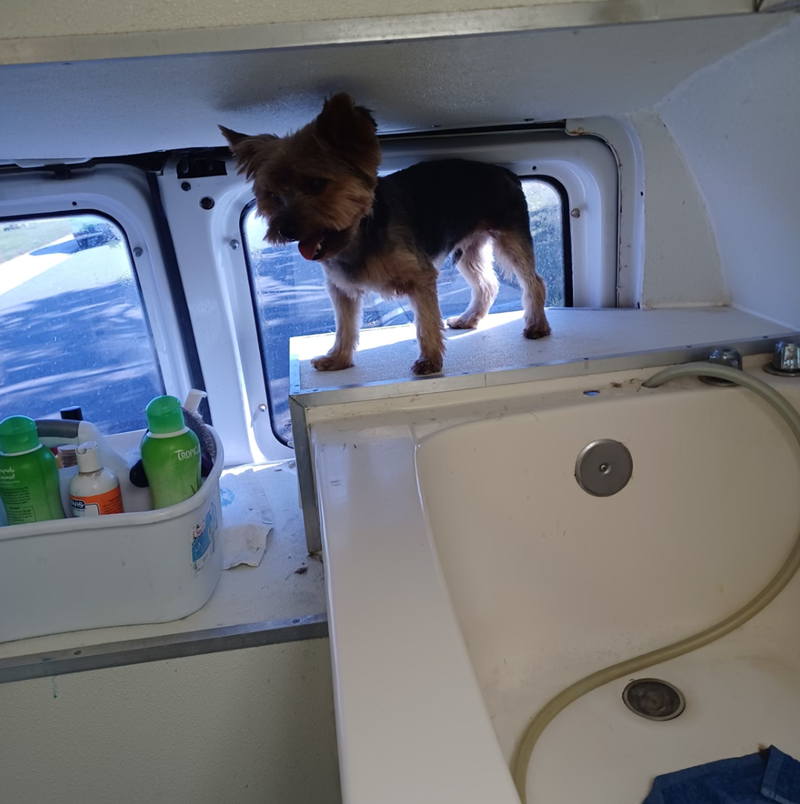
Mobile grooming offers the additional benefit of convenience. Services like Groomobile eliminate travel, waiting, and exposure to other animals, which is ideal for anxious or elderly pets.
Quick Grooming Frequency Tips
If you’re still unsure how often to bathe your pet, consider these general rules:
-
Short-haired, indoor dogs: Every six to twelve weeks
-
Long-haired or curly-coated dogs: Every three to four weeks
-
Oily breeds: Weekly or as needed
-
Outdoor or active dogs: Every few weeks, depending on activity
-
Cats: Only when necessary—typically every four to six weeks for long-haired or special-needs cats
-
Pets with skin issues: Follow the veterinarian’s or groomer’s instructions
When in doubt, check with a grooming expert. They can customize a schedule based on your pet’s needs and your lifestyle.
Clean Doesn’t Have to Be Complicated
Every pet is unique, and their bathing needs can vary significantly depending on factors such as coat type, activity level, health status, and environment. Instead of relying on rigid schedules, take a more personalized approach. Pay attention to your pet’s appearance, odor, and behavior. Use pet-specific grooming products. And don’t hesitate to ask a professional when you’re unsure.
When done correctly and at the correct intervals, bathing can improve your pet’s comfort, health, and overall quality of life. And if the thought of washing a squirmy dog or an unhappy cat feels overwhelming, there’s a better way.
Let Groomobile Take the Stress Out of Bath Time
Groomobile provides expert mobile grooming services for dogs and cats throughout the area. Our professional groomers come directly to your home, offering individualized care in a low-stress, cage-free environment.
Whether your pet needs a full-service groom or a gentle bath and brush-out, we handle it all, right from your driveway.
Visit Groomobile today to book your pet’s grooming session.
Give your pet the clean, healthy coat they deserve—without the hassle.