Pampered Paws & Royal Coifs: Pet Grooming Through History, From Ancient Egypt to Today
Grooming as Culture, Status, and Science
Long before “spa day” entered the vernacular, humans were bathing, trimming, and perfuming their animal companions. Grooming has always served a dual purpose: health (removing parasites and preventing matting) and symbolism (displaying wealth and forging emotional bonds). By tracing the practice from the banks of the Nile to a 21st-century mobile van, we see more than coat care—we witness shifting views of animals, advances in medicine, and the democratization of luxury.
-
Ancient Egypt: Where Divine Cats Got the First Makeovers
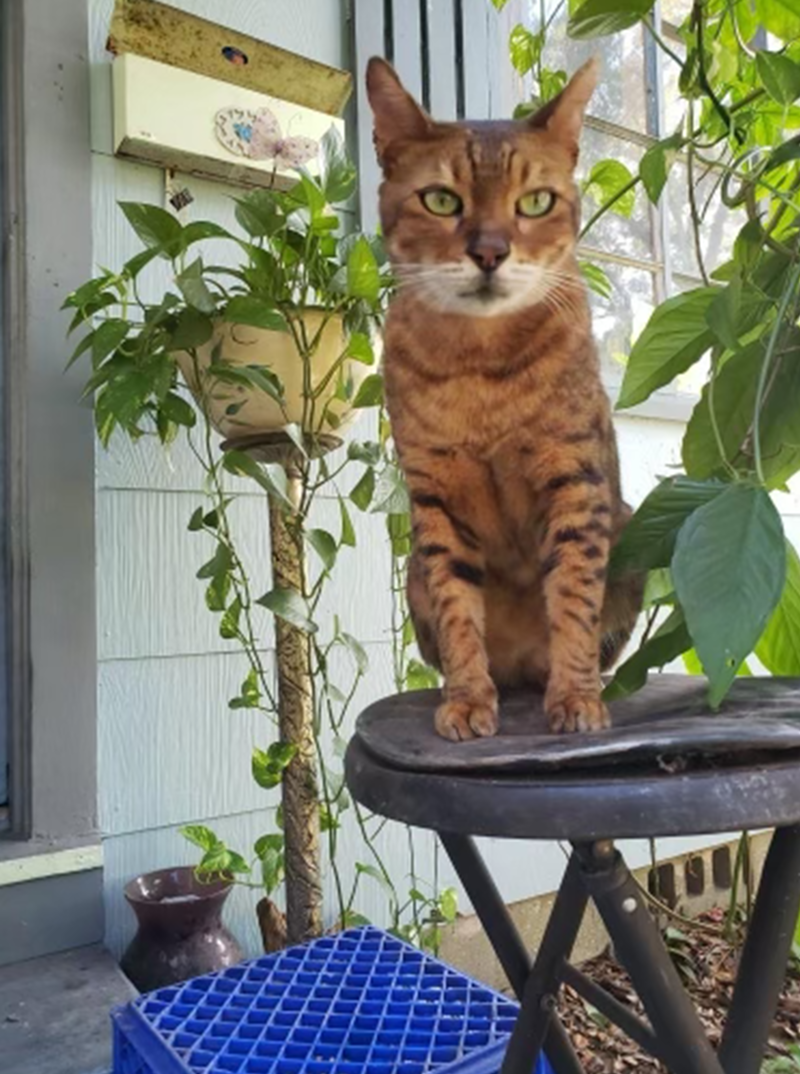
Egyptians circa 2500 BCE revered cats as living incarnations of Bastet, the feline goddess of fertility and protection. Tomb paintings depict servants grooming sleek Mau-type cats with bronze or ivory combs. Archaeologists have unearthed alabaster pet ointment jars containing residues of cedar oil—an early flea repellent. Dogs, prized for their hunting abilities, were scented with myrrh before high-status banquets, suggesting an early form of aromatherapy. Grooming was a ritualistic and highly specialized practice; temple attendants recorded recipes on papyri that combined olive oil, honey, and powdered galena to polish coats.
-
Classical Greece & Rome: Oils, Strigils, and Civic Pride
Greeks believed a well-kept dog mirrored its master’s self-discipline. Household manuals by Xenophon recommend rubbing hunting dogs with olive oil and sea salt to keep skin supple. Romans refined the practice: pet baths were held in private balneae (bathhouses) where strigils—crescent-shaped metal scrapers—removed dirt from short coats, mimicking human athletic cleansing. Veterinary scrolls by Vegetius advise using perfumed chalk dust to deter lice, indicating an early connection between grooming and public health.
-
Tang-Dynasty China: Silk Combs for Imperial Lapdogs
By the 7th century CE, the Pekingese and Shih Tzu occupied palace chambers in Chang’an. Court records describe silk-wrapped bamboo combs designed to glide through their dense double coats without breakage—a precursor to today’s dematting tools. Groomers, ranked just below physicians, used powdered pearl (calcium carbonate) to brighten white fur, reflecting the dynasty’s aesthetic ideals of luminosity. Failure to maintain a dog’s “cloud-like” appearance could cost an attendant their stipend, underscoring the political significance of grooming.
-
Medieval Europe: Monastic Hounds and Flea Market Remedies
While Europe grappled with plagues, monasteries continued to breed kennels for sighthounds. Illuminated manuscripts depict monks picking burrs from greyhound fur—a health duty tied to stewardship. Common folk relied on herbal flea dips made from tansy and pennyroyal, sold at literal “flea markets.” Recipes preserved in Leechbooks warn against over-washing lest “chill seep to bone,” highlighting limited understanding of thermoregulation but genuine concern for animal welfare.
-
Renaissance Italy: The Birth of Style as Art
As patronage of the arts flourished, so did canine aesthetics. Venetian ladies ran ermine-trimmed brushes through Bichon coats, mirroring fashions in textile luxury. Leonardo da Vinci’s notebooks contain sketches of “scissare il cane” (scissoring the dog), exploring symmetry in topknots. Barbers—already expert with blades—began offering pet trims, blurring lines between human and animal grooming trades.
-
Enlightenment & Georgian England: Science Meets Snips
The 18th century ushered in empiricism. Veterinary pioneers like William Taplin linked skin disorders to “filth and matted hair,” advocating regular soap washing—a departure from earlier fear of chill. Taplin’s formulas combined Castile soap, eggs, and lavender, signaling the first documented pH-aware cleansers. Meanwhile, aristocrats showcased powdered Poodles at court, necessitating comprehensive coat maintenance. Grooming was evolving from ad-hoc duty to a proto-profession with published manuals.
-
Victorian Era: Dog Shows and the Professional Groomer
Queen Victoria’s affection for her Pomeranians spurred a craze. The inaugural 1859 Newcastle Dog Show created a competitive stage where grooming could win trophies. Newspapers advertised “Canine Toilet Specialists,” offering hand-stripping terrier coats and coal-tar shampoos to enhance color depth. The Industrial Revolution introduced hand-cranked mechanical dryers and steel shears—tools still recognizable today. Grooming parlors sprouted near rail hubs, allowing exhibitors to primp en route to shows, making coat care a public spectacle and a viable career.
-
Early 20th Century: Hygiene, Health, and Home Bathtubs
In the wake of the 1918 flu pandemic, cleanliness became synonymous with disease prevention. Companies such as Hartz released flea powders featuring pyrethrum, mainstreaming parasite-control grooming products. Advertisements targeted middle-class households owning indoor pets for the first time, urging monthly shampoos in porcelain bathtubs. Grooming migrated from an elite circle to a suburban routine, and vocational schools—such as New York’s “Canine College” (1929)—codified clip patterns, including the now-iconic Poodle Continental.
-
Post-WWII Boom: Electric Clippers and Salon Culture
Economic prosperity and television’s image-centric influence propelled pet grooming into high fashion after World War II. Oster introduced lightweight electric clippers, slashing haircut time. Air-conditioned salons, accented with pink Formica and chrome, emulated human beauty parlors, reinforcing the view of pets as family members worthy of indulgence. The American Kennel Club’s expanding conformation standards standardized breed-specific trims, while veterinary dermatology recognized shampoos as adjunctive therapy for allergies—cementing the medical relevance of grooming.
-
Late 20th Century: Felines, Exotics, and Certification
By the 1980s, specialty groomers tackled Persians, Angoras, and even rabbits. The National Cat Groomers Institute launched a curriculum on feline skin physiology and safe lion cuts. Animal-welfare legislation tightened; forced restraints and overheated cage dryers faced scrutiny, leading to safer dryer designs with automatic shut-offs. Groomers sought certification in pet first aid, aligning services with professional healthcare ethics—a nod to YMYL demands for consumer trust.
-
21st-Century Innovations: Mobile Spas, Green Shampoos, AI Clippers
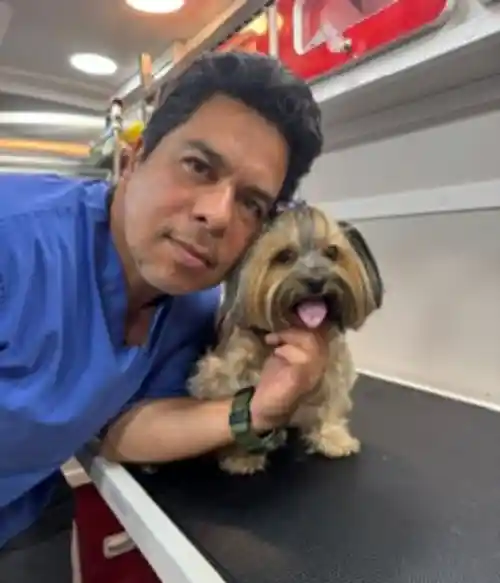
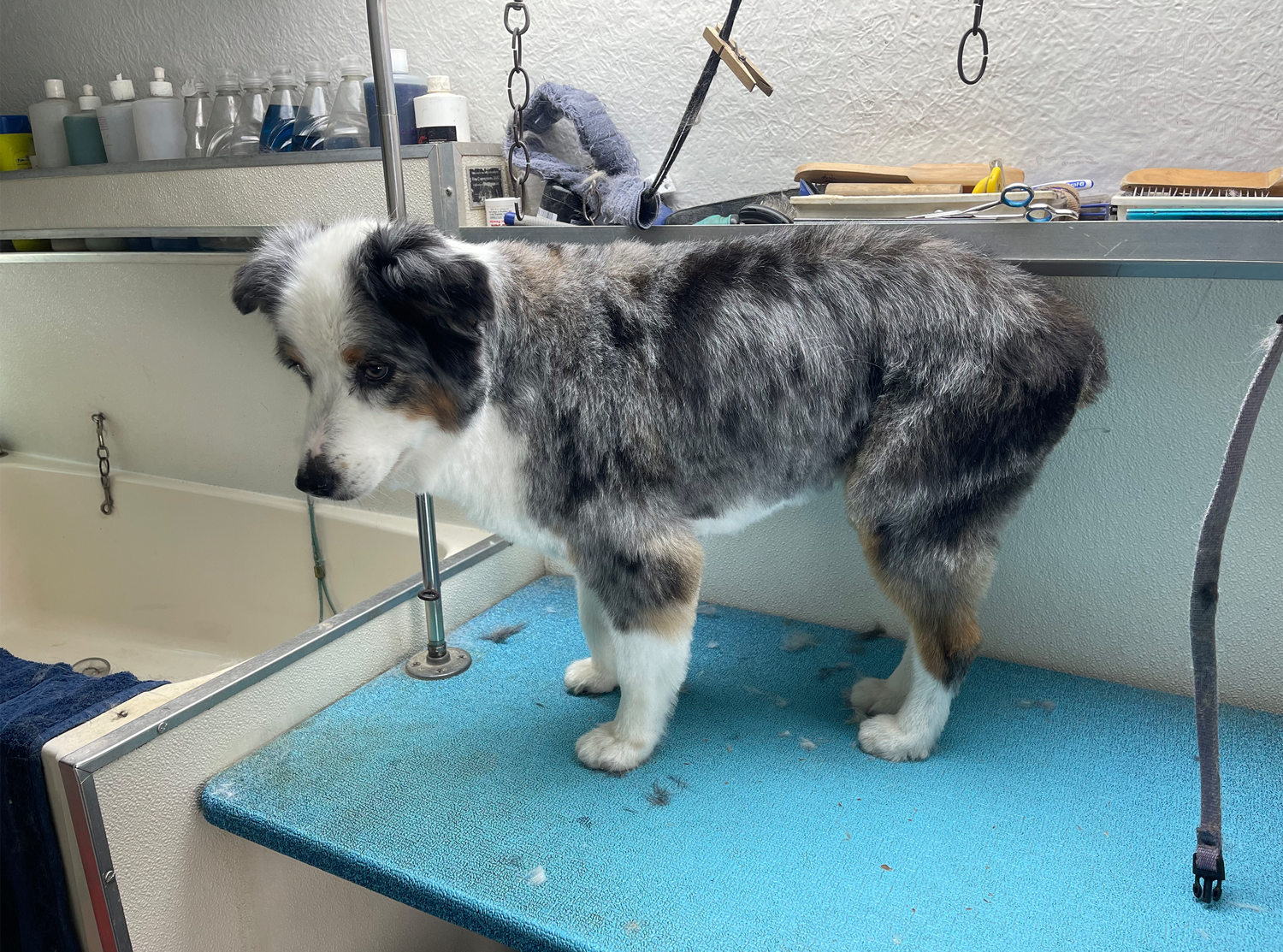
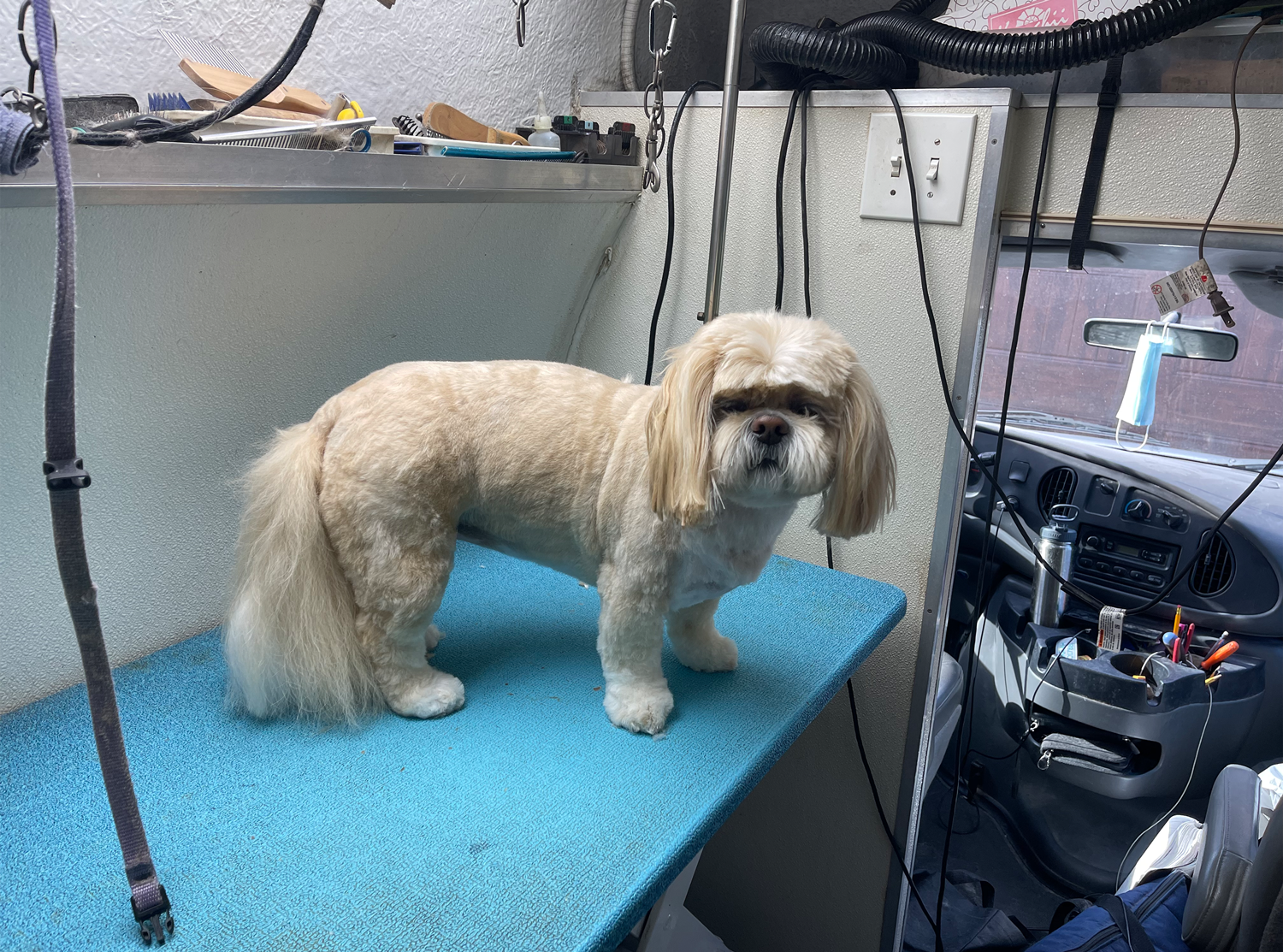
Today’s grooming vans—rolling, stainless-steel clinics—carry warm water tanks, hydraulic tables, and HEPA dryers. They represent the culmination of millennia: luxury, health, and convenience. Industry R&D has yielded sulfate-free, pH-precise shampoos infused with probiotics to bolster microbiomes. Cordless clippers feature AI-regulated torque, adjusting speed to coat density while tracking blade temperature for skin safety. Wearable devices even monitor stress via heart-rate variability, allowing groomers to personalize session length—science fiction realized.
-
Pandemic Pivot & Tele-Grooming
COVID-19 lockdowns in 2020 catalyzed the rise of curbside and virtual grooming consultations. Veterinarians and certified groomers coached owners via video on safe nail trims and ear cleaning, reinforcing evidence-based techniques and product safety. This collaboration bridged clinical medicine and grooming artistry, aligning perfectly with Google’s EEAT pillars: Experience, Expertise, Authority, Trust.
-
Cultural Threads Connecting Past and Present
- Health First: From cedar oil in ancient Egypt to probiotic baths today, grooming has tackled parasites and skin conditions.
- Status & Affection: Whether a Roman senator’s hound or a modern Instagram pup, a glossy coat signals care and pride.
- Specialization: Temple attendants, Victorian “toilet specialists,” and today’s certified groomers share a lineage of professional skill.
Examining history reveals a constant: grooming evolves with technology and societal values, yet the fundamental goal—keeping animals comfortable, healthy, and loved—remains timeless.
Your Pet Is Part of a 5,000-Year Tradition.
When you schedule a professional groom, you tap into an unbroken chain of human–animal care that began with pharaohs and persisted through empires, laboratories, and living rooms. But modern life adds new demands: tight schedules, breed-specific coat care, and safety standards that ancient temple attendants could only have imagined.
Groomobile merges that history with cutting-edge convenience. Our climate-controlled mobile spa arrives at your door, stocked with hypoallergenic shampoos, AI-temperature-regulated clippers, and certified groomers who are versed in both artful trims and dermatologic best practices. We honor tradition while ensuring your pet enjoys 21st-century comfort and hygiene.
Join the next chapter in grooming history—contact Groomobile today to book a luxurious, health-forward grooming experience that would make even an Egyptian temple cat purr.