Sneaky Skin Conditions Groomers Often Catch Before Vets
When you think of a dog groomer, what likely comes to mind is a freshly bathed pup with a cute haircut, trimmed nails, and a wagging tail. But professional groomers do more than make pets look good — they often serve as the first line of defense in identifying pet skin conditions that even the most attentive parents might miss.
While groomers are not medical professionals, their hands-on experience and frequent contact with pets allow them to notice subtle changes in pets’ skin, coat, and overall condition. In many cases, they’re the first to flag signs of skin problems that require veterinary attention, potentially saving pets from discomfort and owners from costly treatments down the line.
Let’s examine the sneaky skin conditions that groomers often catch before veterinarians do, and why their role is essential in maintaining your pet’s overall health and well-being.
The Groomer’s Unique Position in Pet Health
Groomers spend more time closely examining a pet’s body than most people, including veterinarians. While a vet visit may last 15-20 minutes, a grooming session can take over an hour. During this time, the groomer thoroughly washes, brushes, clips, and dries the animal. This hands-on process enables them to identify abnormalities that may indicate more serious issues.
Additionally, many pets visit groomers more regularly than they see their vets. Whether it’s monthly grooming for long-haired breeds or seasonal upkeep for shedding dogs, this frequency allows groomers to develop a baseline understanding of what’s “normal” for each pet and notice small but significant changes.
Now, let’s dive into some of the most common skin conditions groomers often spot first.
1. Flea Infestations and Flea Allergy Dermatitis
Fleas are one of the most common parasites that affect dogs and cats, but their presence isn’t always prominent—especially to pet owners who may not inspect their pets’ skin daily.
Groomers, however, are trained to look for telltale signs like:
-
Flea dirt (tiny black specks that turn red when wet)
-
Raw or irritated skin, especially around the base of the tail
-
Excessive scratching or chewing
-
Red bumps or rashes
In some pets, especially those with flea allergy dermatitis (FAD), even a single flea bite can cause intense itching and inflammation. Groomers often notice these reactions early — sometimes even before fleas themselves are spotted — prompting a recommendation for the pet to be evaluated by a veterinarian.
2. Hot Spots (Acute Moist Dermatitis)
Hot spots are painful, inflamed areas of skin that develop rapidly and often ooze or have an unpleasant odor. They’re caused by excessive licking, scratching, or chewing and can be triggered by anything from allergies to insect bites to anxiety.
Groomers are often the first to catch these because:
-
They appear under thick coats and may be hidden from a pet owner’s view.
-
Hot spots can emerge quickly, sometimes overnight.
-
They may be mistaken for minor scratches until grooming exposes the full severity.
When groomers identify hot spots, they often halt grooming and notify the pet owner immediately. Catching these early can prevent the condition from spreading or worsening.
3. Dry, Flaky, or Scaly Skin
Dry skin might seem minor, but it can indicate underlying health issues such as:
-
Poor nutrition
-
Thyroid disorders
-
Allergies (food or environmental)
-
Autoimmune diseases
A groomer may notice persistent dandruff or excessive skin shedding during grooming, such as brushing or bathing. If the condition doesn’t resolve with moisturizing shampoos or coat treatments, the groomer might suggest a veterinary visit.
Left untreated, dry skin can lead to secondary infections or signal more serious systemic problems, so early detection is crucial.
4. Yeast Infections
Yeast thrives in warm, moist environments, making a dog’s ears, paws, and skin folds ideal breeding grounds — especially in breeds like Bulldogs, Cocker Spaniels, and Poodles.
Groomers often detect yeast infections by:
-
Smelling a musty or “cheesy” odor
-
Seeing greasy buildup or discoloration on the skin
-
Noticing chronic licking or chewing of paws
-
Observing redness or thickening of the skin
Because the signs can be subtle initially, pet owners might dismiss them as typical pet odor or behavior. However, a skilled groomer knows the difference and can alert the owner before the infection spreads or worsens.
5. Mange (Demodectic or Sarcoptic)
Mange is a parasitic skin disease caused by mites, and it can be challenging to catch in its early stages. Symptoms often start as localized hair loss or small patches of irritated skin — easy to miss unless you look closely.
Groomers may spot early signs like:
-
Bald spots around the eyes, muzzle, or legs
-
Crusty or scabby skin
-
Intense itching and discomfort
Because mange is contagious (in the case of sarcoptic mange), early detection can protect other pets in the household and humans in some cases.
6. Skin Tumors or Lumps
Many pet owners only realize their dog has a lump or growth when it becomes visible through the fur — often well after it first appeared. During grooming, however, professionals run their hands over every inch of the pet’s body and are well-positioned to detect:
-
Small nodules or lumps beneath the skin
-
Warts or papillomas
-
Suspicious growths that may require biopsy
While not every lump is cancerous, prompt attention can make a big difference in outcomes, especially for malignant tumors.
7. Ringworm
Despite its name, ringworm is a fungal infection — not a worm — and is highly contagious to animals and humans. It typically presents as:
-
Circular patches of hair loss
-
Scaly, crusty skin
-
Redness or inflammation
Ringworm can sometimes look like other skin conditions, so it often goes undiagnosed unless specifically tested. Groomers trained to spot irregular hair loss patterns or skin irritation can help catch ringworm before it spreads.
8. Allergic Dermatitis
Pets can develop allergies to a wide range of substances, including pollen, dust, food ingredients, and grooming products. When allergies manifest as skin conditions, they can look like:
-
Red, irritated skin
-
Constant scratching, especially on the paws, belly, or face
-
Ear infections
-
Hives or welts
Because groomers use a variety of shampoos and conditioners, they’re often able to identify patterns or reactions related to grooming products. They may also be the first to recognize ongoing inflammation that could point to environmental or food allergies.
9. Ear Mites and Infections
During ear cleaning, a groomer might find signs of infection or parasitic activity, such as:
-
Dark, crumbly debris (often resembling coffee grounds)
-
Foul odor
-
Redness, swelling, or sensitivity
-
Excessive wax buildup
Ear problems can escalate quickly and cause severe discomfort, so identifying them early can make a massive difference in the pet’s health and quality of life.
Why Pet Owners Should Take Groomer Observations Seriously
While groomers are not veterinarians and don’t diagnose conditions, they offer a valuable perspective on your pet’s health. Dismissing their concerns can lead to worsening health issues and, in some cases, permanent damage or chronic pain for the animal.
Veterinarians often appreciate detailed information from groomers, which helps them narrow down possible diagnoses and provide more targeted care. If your groomer brings something to your attention, it’s always best to follow up with your vet.
How Groomobile Groomers Are Trained to Spot Skin Issues
At Groomobile, our professional groomers aren’t just experts at haircuts — they’re trained to observe and report abnormalities during each session. With years of hands-on experience, our team knows how to recognize the early signs of many common (and not-so-common) skin issues.
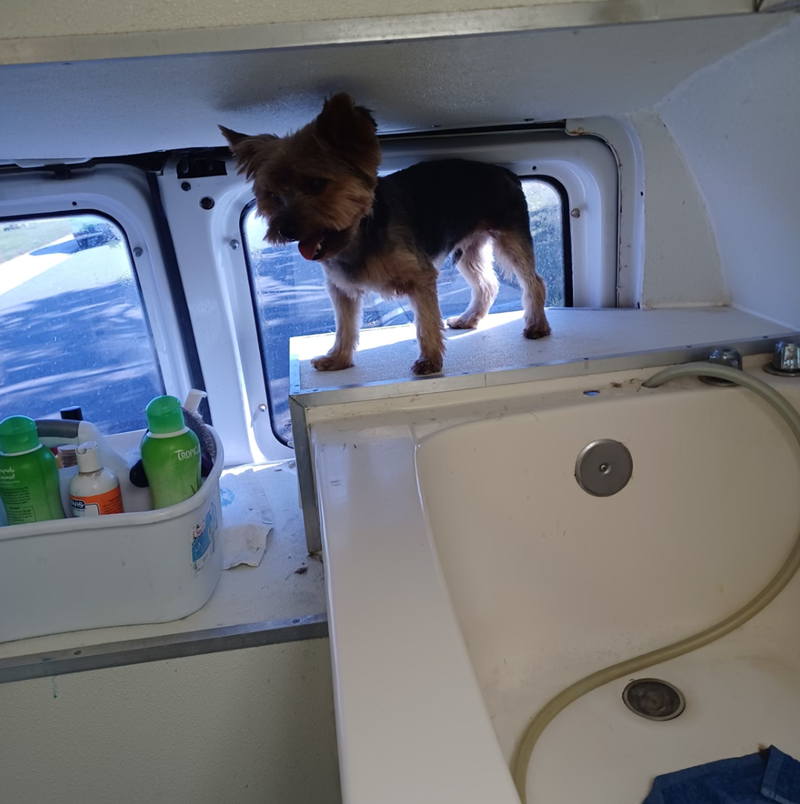
What sets Groomobile apart is our mobile service model. Because we come to your home, pets experience less stress, making it easier for groomers to notice natural behaviors and signs of discomfort that might be hidden in a traditional salon environment.
Each grooming session includes:
-
A full physical inspection of your pet’s coat and skin
-
Gentle cleansing and coat conditioning
-
Careful drying and brushing to expose hidden skin areas
-
Open communication with pet parents about any unusual findings
Our groomers maintain a high standard of cleanliness and professionalism, ensuring your pet is cared for in a safe and sanitary environment every time.
What to Do If Your Groomer Flags a Skin Concern
If your groomer points out something unusual on your pet’s skin, take it seriously. Here’s what to do next:
-
Ask Questions: Get as much information as possible. Where is the issue located? When did the groomer first notice it? Has it changed since the last appointment?
-
Document It: Take photos and keep notes. These will be helpful for your veterinarian.
-
Schedule a Vet Visit: Even if the issue seems minor, it’s best to let a vet examine it. Early treatment can prevent bigger problems later.
-
Monitor the Condition: Continue to observe your pet for any new or worsening symptoms.
Remember: acting early can save your pet from discomfort and you from larger vet bills down the road.
Groomers Are an Extension of Your Pet’s Health Team
In the world of pet care, groomers are often the unsung heroes. Their ability to detect skin conditions early — often before symptoms become severe — plays a vital role in keeping pets healthy, comfortable, and happy.
By combining regular grooming with routine veterinary care, you’re giving your pet the best chance at a long, vibrant life. And when you choose experienced groomers like those at Groomobile, you gain an extra set of expert eyes dedicated to your pet’s well-being.
Take the First Step Toward Better Pet Health
If you want more than just a cute haircut for your pet — if you want peace of mind knowing their skin and coat are in expert hands — then it’s time to schedule your next grooming session with Groomobile.
We offer stress-free, convenient mobile grooming services that come right to your doorstep, with trained professionals who genuinely care about your pet’s health and well-being.
Don’t wait until a problem becomes painful or costly. Contact Groomobile today, and let us help keep your furry friend healthy, happy, and looking their best.