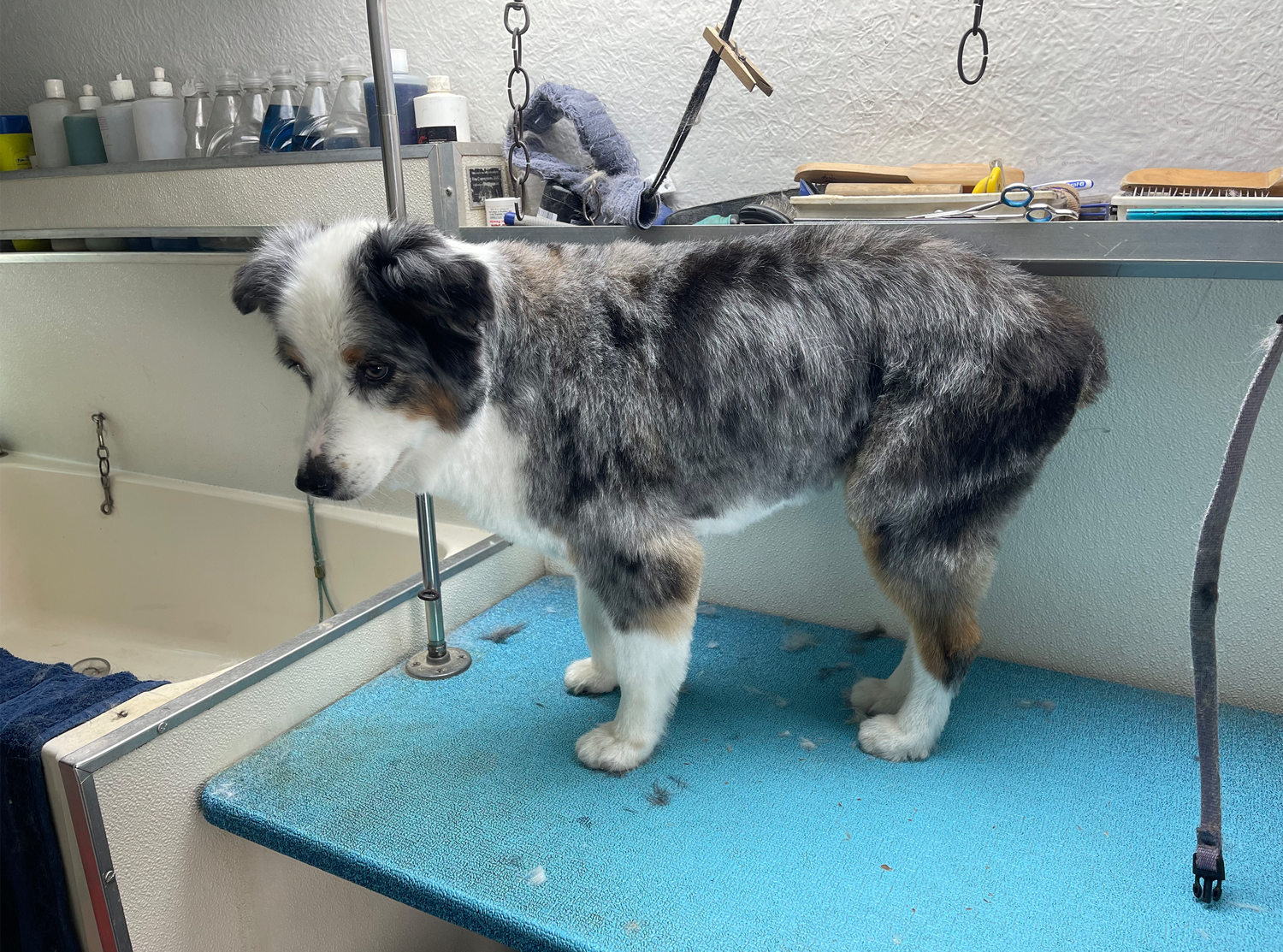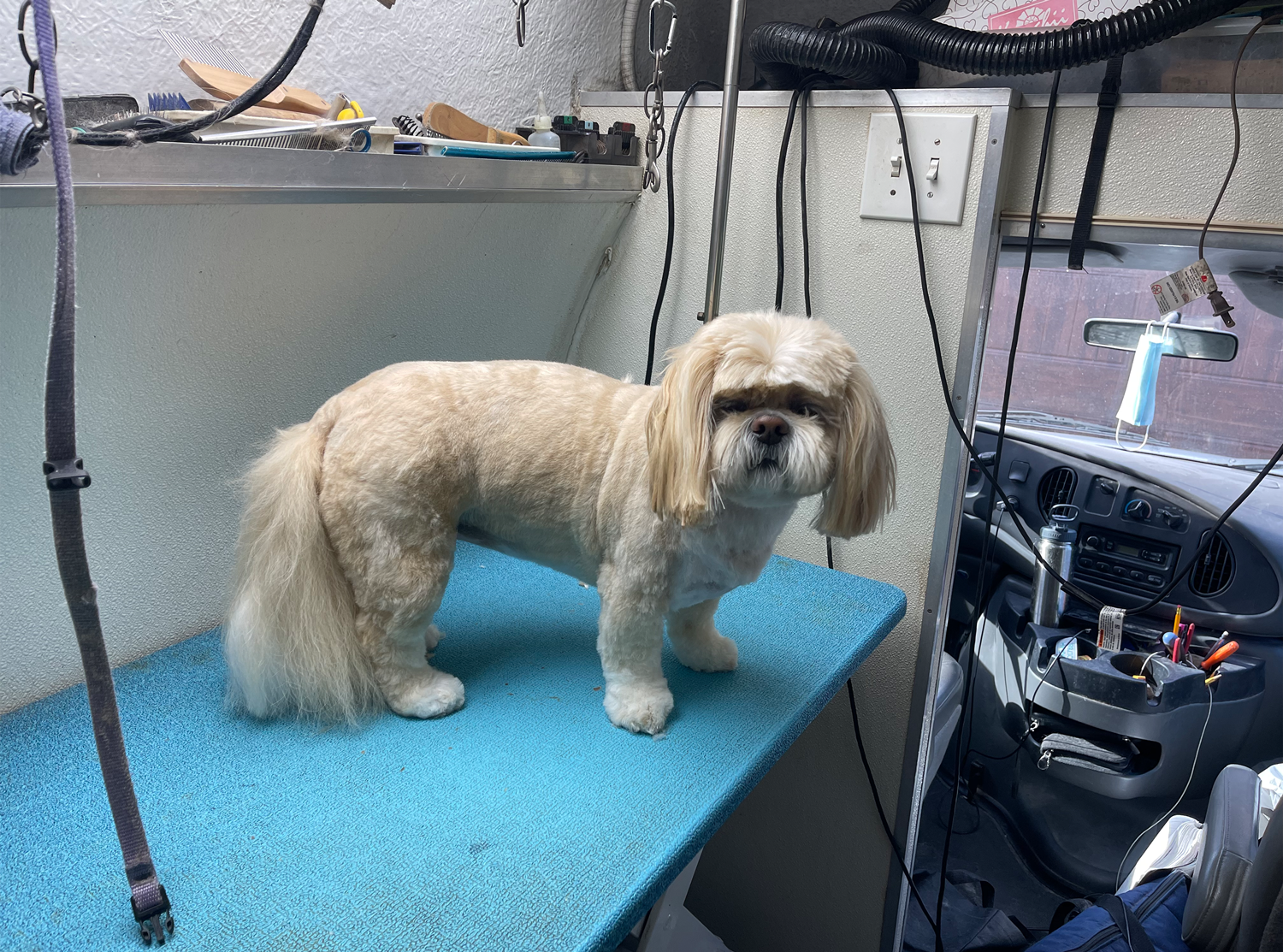
When Whiskers Go Wild: The Most Surprising Pet Behaviors Groomers See (and How to Handle Them)
Beyond Haircuts and Baths
Professional pet groomers are equal parts stylist, behaviorist, and first responder. Every appointment is a miniature social experiment: combine foreign smells, vibrating tools, and close physical contact, then add a dog or cat with its own quirks and triggers. The result? Stories that could fill a sitcom writers’ room— except that absolute safety, health, and welfare are on the line.
Drawing on interviews with certified groomers (including the mobile experts at Groomobile) and backed by veterinary behavior research, this guide spotlights eleven head-tilting behaviors groomers regularly encounter—plus calm, humane strategies you can use at home or discuss with your groomer. Because under Google’s YMYL (Your Money or Your Life) content standards, advice that influences an animal’s health or stress level must be authoritative, practical, and safe.
-
The “Dead-Fish Flop” – Instant Pancake on the Table
What It Looks Like
As soon as the dryer starts, a dog collapses sideways, goes limb-stiff, and refuses to budge—often with dramatic sighs for effect.
Why It Happens
This is classic “freeze” behavior on the fight-flight-freeze spectrum. The sensation of high-velocity air, combined with table elevation, overwhelms the dog’s coping threshold.
How Professionals Handle It
- Desensitization: Lower dryer speed and start on the rear, moving forward as the dog relaxes.
- Mat Training: Conditioning the dog to stand on a rubber mat at home, paired with treats, mimics the salon surface.
- Breaks & Choice: Give 30-second pauses; many dogs will stand voluntarily once they realize escape isn’t necessary.
-
Cat “Poof-Patch” – Sudden Mohawk and Static Explosion
What It Looks Like
A calm, long-haired cat suddenly puffs up along the spine, fur standing on end, while a faint crackling sound fills the air.
Why It Happens
Static electricity builds when metal grooming tools glide through dry fur. A micro-shock surprises the cat, triggering the piloerection you see.
How Professionals Handle It
- Humidifiers: Raising air humidity to 45 % in the grooming space neutralizes static.
- Anti-Static Sprays: Light mists formulated for pets discharge electric buildup.
- Wooden or Silicone Combs: Non-metal tools reduce conductivity.
-
The “Alligator Roll” – Twisting Mid-Nail Trim
What It Looks Like
Mid-snip, a dog spins its torso like a crocodile performing a death roll, yanking the paw—and sometimes the clipper—away.
Why It Happens
Paw sensitivity is hard-wired; many dogs dislike nail trims more than baths. Rolling shifts the weight away from the restrained limb.
How Professionals Handle It
- Table Hug: One arm wraps across the dog’s chest, anchoring shoulders without pressure on the neck.
- Gradual Desensitization: Touch paw, click/train, reward, and release—weeks before the actual trim day.
- Scratch Boards: Teaching dogs to file their own front nails on sandpaper helps build tolerance and reduces the frequency of trimming.
-
“Peek-a-Boo Bite” – Nip When You Least Expect It
What It Looks Like
A dog accepts brushing calmly, then delivers a lightning-fast nip as the groomer reaches a sensitive spot (tail base, flank, ear).
Why It Happens
Pain or past trauma in a specific area. The dog endures until tolerance snaps.
How Professionals Handle It
- Behavior History: Honest disclosure from owners about known sensitive zones prevents surprise.
- Gentle Touch Test: Lightly brush to gauge flinch responses before proceeding with full grooming.
- Veterinary Rule-Out: Sudden aggression localized to one region can signal underlying conditions such as hotspots, arthritis, or ear infections that require medical attention.
-
The “Velcro Tongue” – Cat Licking Clippers
What It Looks Like
During a sanitary trim, the cat twists to lick the buzzing blade.
Why It Happens
Cats investigate textures with their tongues; vibration may feel like a grooming aid to them.
How Professionals Handle It
- Towel Wrap (“Purrito”): Exposing only hindquarters keeps the curious mouth contained without force.
- Distraction Feeders: Smear tuna puree on a lick mat positioned away from clippers.
-
“Reverse Gear” – Dog Walking Backward Off the Table
What It Looks Like
Rather than jumping, the dog steps backward in slow motion, feeling for the edge, then hangs its hind legs over in an attempt to escape.
Why It Happens
Anxiety about height or the dryer. Walking backward feels safer than turning to face the feared object.
How Professionals Handle It
- Non-Slip Platforms: Wider tables with rubber grips reduce the sense of imbalance.
- Front-Loading: Start with tasks facing the dog forward; reserve rear work (tail, legs) for after trust has been established.
- Anchor Harness: A grooming loop attached to a padded harness instead of the neck distributes weight if the dog backs up.
-
“Silent Siren” – Open-Mouth Panting in Cats
What It Looks Like
A cat pants quietly, mouth open, eyes wide, but makes no sound.
Why It’s Concerning
Cats rarely pant, unless they are overheated or severely stressed. Prolonged panting can precede collapse.
How Professionals Handle It
- Immediate Break: Stop grooming, move to a cooler, quieter space.
- Vital Check: Assess the gum color (it should be pink). Pale or blue gums = veterinary emergency.
- Session Reschedule: Split future appointments into shorter visits to lower stress load.
-
“Human Shield” – Dog Hides Head in Groomer’s Armpit
What It Looks Like
In the tub or on the table, the dog buries its face against the groomer’s torso and refuses to lift it.
Why It Happens
Dogs seek “safe zones” to block visual stimuli—like toddlers hiding behind a parent’s leg.
How Professionals Handle It
- Calming Wraps: Anxiety vests or microfiber towels apply gentle pressure, offering similar security without obstructing work.
- Eye Masks: Briefly covering the eyes during blow-drying reduces visual stressors.
-
“Chirping” Ferrets and Squeaking Guinea Pigs
What It Looks Like
Small exotics emit high-pitched noises when water or clippers approach.
Why It Happens
These prey species vocalize to signal an alarm. Handling must account for their rapid heart rates.
How Professionals Handle It
- Ambient Noise Control: Soft classical music overpowers sudden salon noises.
- Warm Towel Burritos: Retain body heat, soothe nerves, and immobilize gently.
-
“Sudden Statue” – Parrot Locks Up on the Scale
What It Looks Like
A parrot freezes, feathers slicked, eyes pinning, refusing to step onto the grooming perch.
Why It Happens
Parrots are neophobic; unfamiliar perches or colors trigger a state of immobility.
How Professionals Handle It
- Target Training: Teaching “step up” onto varied perches at home with clicker rewards.
- Perch Familiarity: Owners bring the bird’s own stand to the appointment.
-
“Zoom-ies in the Van” – Post-Groom Hyperactive Burst
What It Looks Like
Just as the groomer declares “All done,” the dog launches into laps around the van interior.
Why It Happens
Adrenaline release after restrained focus; a normal “shake-off” escalates into full-body sprinting when space allows.
How Professionals Handle It
- Graceful Exit Strategy: Hand leash to the owner outside before the zoomies start.
- Decompression Walk: Short on-lead stroll redirects energy positively.
Turning “Surprising” into “Predictable and Peaceful”
Unusual behaviors are not signs of a “bad” pet; they’re a form of communication. With the right strategies— rooted in behavioral science, compassion, and professional skill—those jaw-dropping moments become manageable, even endearing.
Groomobile specializes in reading and respecting each pet’s unique language, all from the comfort of a state-of-the-art mobile spa parked at your door. Certified groomers bring ergonomic tables, fear-free handling techniques, and plenty of patience for floppers, back-steppers, and feline static bombs alike.
Ready for a grooming experience that speaks fluent “pet”? Contact Groomobile today to schedule a stress-smart session—where surprising behaviors meet expert solutions, and every tail wags (or purrs) in the end.