Understanding Flea Life Cycles: What Pet Owners Often Miss
As pet owners, we do everything we can to keep our furry friends happy, healthy, and safe. From routine vet visits to feeding them quality food and giving them endless cuddles, their well-being is always our priority. But there’s one tiny enemy that continues to outsmart even the most diligent pet parents — fleas.
Fleas are more than just a nuisance. They can cause allergic reactions, transmit diseases, and even lead to serious health complications if left untreated. And yet, one of the biggest reasons flea infestations persist is due to a lack of understanding of their life cycle.
It’s not just about killing the adult fleas you see — it’s about targeting every stage of their development. Miss one, and you might find yourself right back where you started.
In this blog, we’re going to break down the flea life cycle in detail, reveal the common blind spots most pet owners overlook, and provide you with actionable strategies to stop fleas for good. Let’s dive in.
The Four Stages of a Flea’s Life
To effectively combat fleas, you first need to understand their biology. Fleas go through a complete metamorphosis, meaning they develop through four distinct life stages:
1. Egg
Once adult fleas begin feeding on your pet, they start reproducing rapidly — and we do mean rapidly. A single female flea can lay up to 50 eggs per day. These tiny, white eggs are often laid directly on your pet, but they easily fall off into your carpet, bedding, and furniture.
Here’s the kicker: Eggs make up about 50% of the flea population in an infested home. That means half of your problem is invisible and lying in wait.
Timeframe: Eggs typically hatch in 2 to 5 days, depending on humidity and temperature.
2. Larva
Once hatched, flea larvae emerge. These tiny, worm-like creatures avoid light and burrow into dark areas like floor cracks, upholstery, and the base of carpets. They feed on organic debris — especially the feces of adult fleas, which are rich in digested blood.
This is where most pet owners drop the ball. Since larvae are out of sight and don’t live on your pet, they’re often missed during treatment.
Timeframe: The larval stage lasts 5 to 15 days.
3. Pupa (Cocoon Stage)
The larva spins a cocoon and enters the pupal stage — the most resilient and protected phase of the flea life cycle. Inside this cocoon, the flea is immune to nearly all insecticides and environmental threats.
Here’s where it gets frustrating: fleas in this stage can remain dormant for weeks to months. They wait for the right conditions — like warmth and vibrations — to emerge as hungry adults.
Timeframe: Pupae can hatch in 7 to 14 days, but can remain dormant for much longer.
4. Adult
Once fully developed, the adult flea emerges, ready to find a host (your pet!) within seconds. Adult fleas are bloodsucking machines, feeding several times a day and beginning to reproduce within 24–36 hours.
While adults only represent about 5% of the total flea population in an infestation, they’re the ones you see — and the ones that remind you there’s a problem. But by the time you see one flea, the real infestation is already in full swing.
What Pet Owners Often Miss
Now that we’ve outlined the flea life cycle, let’s talk about where things typically go wrong. Many pet owners follow good advice — flea baths, spot treatments, vacuuming, etc. — but still can’t seem to get rid of fleas entirely. Why?
Because it’s easy to miss key pieces of the puzzle. Here are the most common oversights:
1. Only Treating the Pet
It’s tempting to focus all efforts on your pet, especially when you see fleas crawling on them. But remember: 95% of the flea population is in your home and environment, not on your dog or cat.
Treating your pet alone is like mopping up water without turning off the faucet.
2. Underestimating the Egg & Pupal Stages
Most commercial flea treatments target adult fleas and sometimes larvae — but not eggs or pupae. Since eggs and cocoons are well-protected, they can continue to hatch and replenish the population even after treatment.
This creates a frustrating cycle: treat, wait, reinfestation.
3. Skipping Routine Cleaning
Flea eggs and larvae love dark, undisturbed areas. If you’re not vacuuming frequently, especially around baseboards, under furniture, and in pet bedding, you’re leaving hundreds (if not thousands) of fleas to develop in peace.
Also, empty your vacuum immediately after use. Otherwise, the fleas can crawl right back out.
4. Ignoring Outdoor Areas
If your pets spend time outside, your yard could become a breeding ground for pests. Fleas thrive in shaded, humid areas with organic debris. Without treating your lawn, garden, or patio, your pet may bring fleas back inside no matter how clean your house is.
5. Infrequent or Improper Treatment
Flea prevention isn’t a “one and done” game. Many products require monthly applications, and missing even one dose can give fleas a chance to repopulate.
Also, some treatments lose effectiveness when pets swim or bathe frequently, so it’s essential to follow directions precisely.
What You Can Do to Break the Flea Life Cycle
So how do you beat fleas once and for all? The key is a multi-pronged approach that attacks every stage of the life cycle — and maintains consistent protection. Here’s how:
1. Use Vet-Recommended Flea Preventatives
Always start with your veterinarian. They can recommend safe, effective preventatives suited to your pet’s size, breed, and lifestyle. These may include:
-
Topical treatments (like Frontline or Advantage)
-
Oral medications (like NexGard or Simparica)
-
Flea collars (like Seresto)
Look for products that include Insect Growth Regulators (IGRs), which prevent eggs and larvae from maturing.
2. Thoroughly Clean Your Home
-
Vacuum daily for at least 2-3 weeks, especially carpets, rugs, pet bedding, and furniture.
-
Wash all pet bedding (and your own, if they sleep with you) in hot water.
-
Consider using flea sprays or foggers that contain both adulticides and IGRs. Just make sure pets and people are out of the house during use, and follow all safety guidelines.
3. Treat Your Outdoor Spaces
-
Keep your lawn mowed and remove piles of leaves or debris.
-
Consider treating your yard with pet-safe flea control products.
-
Use cedar chips or diatomaceous earth in shady areas to naturally deter fleas.
4. Treat All Pets in the Household
Even if one pet shows no signs of fleas, it could still be hosting them. Every animal in your home should be on a flea preventative — no exceptions.
5. Be Patient and Persistent
Breaking the flea cycle takes time. You may still see fleas for a few weeks after starting treatment, especially if pupae are hatching. Don’t give up or skip steps. Consistency is everything.
When to Call in the Pros
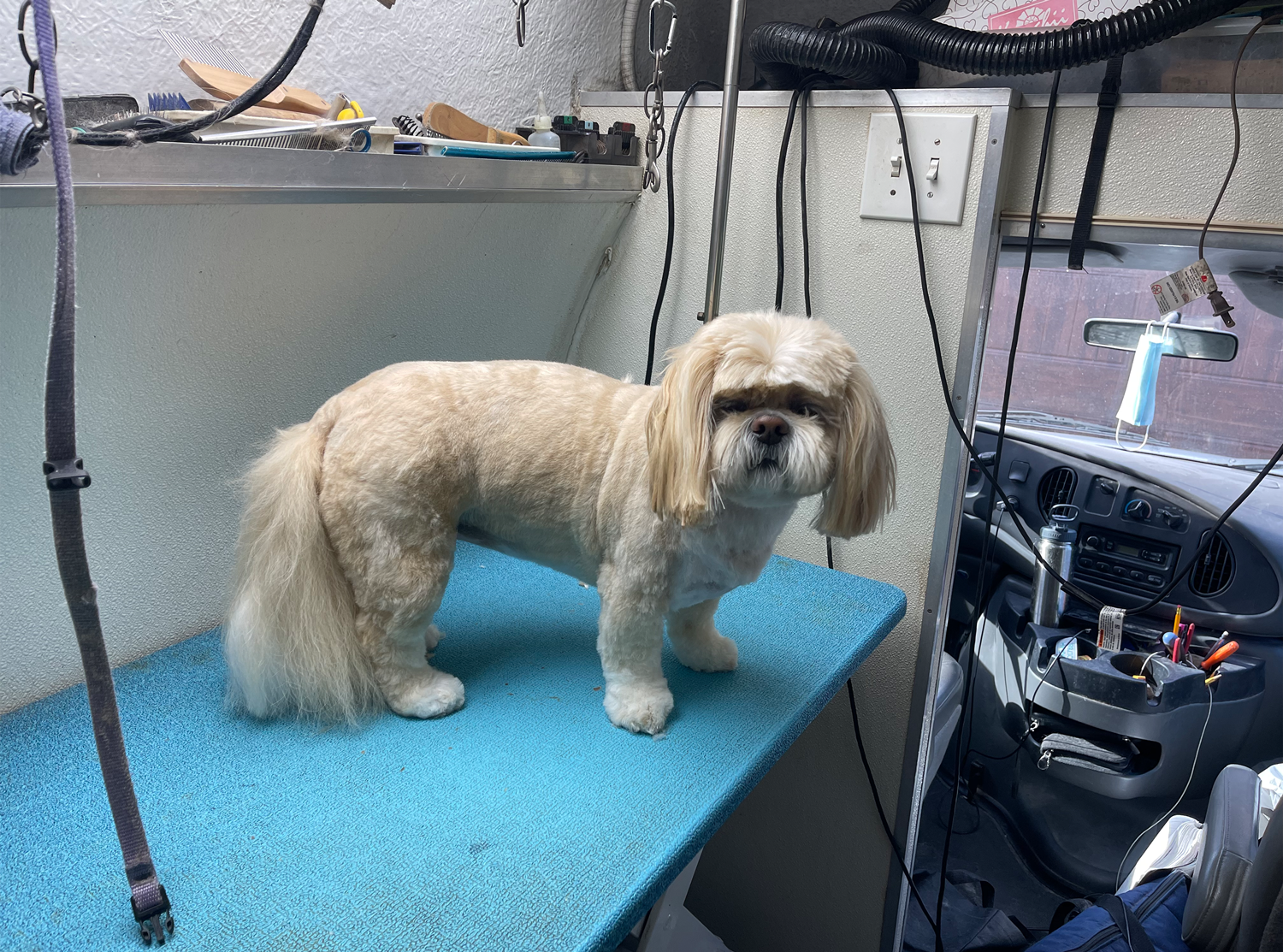
If you’ve tried everything and fleas keep coming back, it might be time to bring in professional help. A mobile grooming service like Groomobile offers flea baths, treatments, and expert advice — all without the stress of a vet visit or car ride.
Professional groomers are trained to detect fleas early and treat infestations safely and effectively. They’ll also spot any skin irritations, infections, or other issues caused by fleas that you might miss.
Final Thoughts
Fleas are more than just an annoyance. They’re a real threat to your pet’s comfort and health — and to your peace of mind. But they’re not invincible.
By understanding the full flea life cycle and taking proactive, comprehensive steps to interrupt it at every stage, you can protect your pets and your home for good.
Don’t wait until your pet is scratching nonstop or your couch is infested. Prevention is always easier (and cheaper) than dealing with a full-blown infestation.
If your pet is dealing with fleas — or if you want to stay ahead of the problem — we highly recommend contacting Groomobile. Their experienced mobile groomers come right to your door, offering convenient, stress-free flea treatments and grooming services that keep your pets clean, healthy, and flea-free.
Take the first step today. Call us and schedule an appointment — your pet will thank you!